The Grape’s Journey: Winemaking Methods Explained
Deli
The whole business of winemaking, when you boil it down – which, mind you, is precisely what you don’t do to the grapes, unless you’re aiming for a really hellish mixture – is a marvelous testament to human meddling. It’s like watching a simple country lad, a mere Vitis vinifera with dirt on his knees, get shuffled off to various finishing schools and finishing-schools-of-a-more-sinister-bent, all to determine if he’ll turn out a proper gentleman, a ruffian, or just another bottle of something suitable for pouring over your calloused rubber steak. (Vitis vinifera is the single species behind nearly all the world’s wine, spread across thousands of named varieties.)
You might think the Almighty, having crafted the grape with such exquisite sweetness, intended a simple, unhurried process. The meddling is ancient: archaeologists have found traces of winemaking in Georgia dating back roughly 8,000 years, in clay vessels buried in the ground. Alas, no. Man, being a creature utterly incapable of leaving well enough alone (which is why we have both atom bombs and sommelier schools) stepped in and declared, “This delightful juice? We must govern it!” So began the great, sprawling, and sometimes baffling edifice of vinification methods.
The White Wine Waltz: A Clean, Well-Lighted Place
Let us consider the white wine: bright, often flighty, and absolutely requiring a clean and sophisticated label. The winemaker’s goal here, generally speaking, is to keep things zippy. The most common style, the crisp, unmolested White, is the result of what one might call “Don’t Touch That” winemaking.
First, you press the grapes, immediately whisking the juice—the must, if you want to sound terribly knowledgeable at a cocktail party – away from the grape skins. The juice is often chilled and left to settle for a day or so before fermentation, so the solids drop out and the wine stays clean. The skins, you see, are full of dark color and those aggressively structural compounds known as tannins, which would make the wine taste like a mouthful of dry, unpainted oak furniture. This is a no-go for the light and airy crowd.
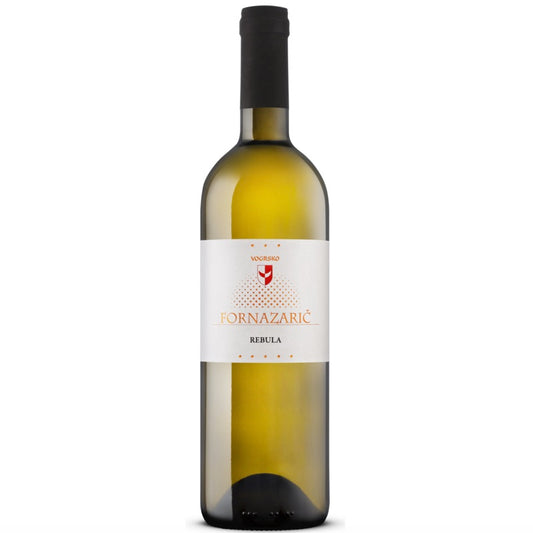
The subsequent fermentation, that great chemical firework display, is done in a cold, stainless steel tank. Cold here means roughly 12 to 18°C, which keeps the delicate fruity and floral aromas from blowing off as the yeast works. Why stainless steel? Because it is clean, utterly lacking in personality, and ensures the resulting wine tastes exactly of the grape and perhaps a suggestion of ‘cool professionalism.’ This is the style that yields your Rebula and your Pinela, (Rebula is the Slovenian name for Ribolla Gialla, a signature grape of the Goriška Brda hills on the Italian border, and Pinela is a rare local variety of the Vipava Valley. Brda producers also make Rebula with long skin contact, so it plays both sides of this very article.) wines that shout, “I have not been fiddled with! I am straightforward, like a memo from a sensible Tralfamadorian! So it goes.”
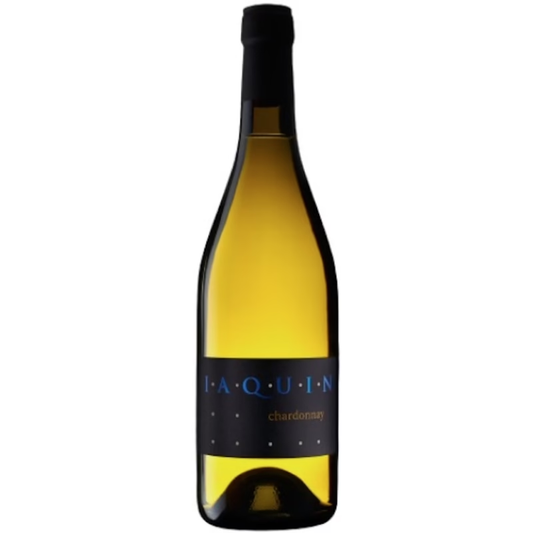
Now, if the winemaker wants to inject a bit of je ne sais quoi – a plump, buttery richness, like a banker who’s done moderately well – they introduce the devil’s own toy: the oak barrel. A standard barrel holds about 225 liters, and it also lets in tiny amounts of oxygen, which gently softens the wine. This is for your traditional Chardonnay. The barrel does two terrible, wonderful things:
It adds flavors like vanilla, toast, and a sense of having paid more than you intended.
It allows a second fermentation called malolactic conversion, which turns the sharp, apple-y malic acid (like a green apple) into the softer, buttery lactic acid (like milk). (It’s carried out by bacteria rather than yeast, and a compound called diacetyl supplies the butter aroma. It can happen in steel tanks too, but the barrel is where it’s classically done for Chardonnay.) This conversion is the whole point of a buttery California Chard – it’s the moment the wine stops being a student and becomes a respectable and slightly overweight the club member.
The Red Wine Ruckus: Skin Contact and Full Commitment
Red wine, that brooding, passionate brute, requires commitment. You want color? You want structure? Well, you’ve got to let the grape juice have a long, intimate, even slightly awkward conversation with its own skin. This is the bedrock of red vinification.
When you ferment a red, the juice and the skins remain together, having a sort of sweaty, tumultuous party in the vat. Reds ferment warmer than whites, often around 25 to 30°C, and the skins float to the top as a thick cap, so winemakers punch it down or pump juice over it once or twice a day to keep the party going. The alcohol produced by the yeast acts as a solvent, pulling out the color (anthocyanins) and the mouth-drying tannins from the skins and seeds. This is called maceration, and its duration is the winemaker’s first existential dilemma.
A short maceration? You get a light, fruity, ‘easy-drinking’ red, like a Beaujolais. (Beaujolais usually goes a step further with carbonic maceration, in which whole uncrushed bunches ferment inside their own berries, producing that bubblegum-and-banana fruitiness.) A wine that says, “I’m not here to judge. Just here for the picnic.”
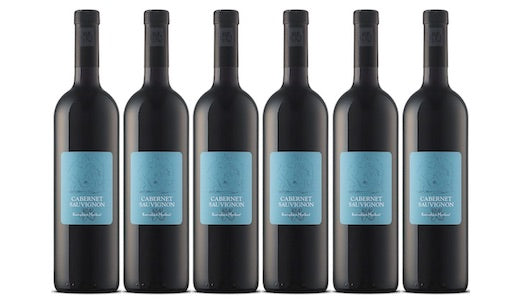
A long maceration? Ah, now you’re into Cabernet Sauvignon or Barolo territory. Traditional Barolo can spend several weeks on its skins, and the rules require at least 38 months of aging before release, with at least 18 of them in wood. A wine so dense and tannic it needs a good five years in a dark cellar and perhaps a substantial side of beef to even consider being pleasant. This is the Serious Wine, the one that critiques society and has very firm, non-negotiable opinions.
And then comes the style element: The Oak Question. The choice is a simple, terrifying one: French oak (subtle, spicy, elegant) or American oak (blunt, overtly coconut-vanilla, a bit loud). French oak has a tighter grain and generally costs considerably more, while American oak’s coconut note comes from higher levels of aromatic compounds called lactones. A winemaker’s preferred oak is often a window into their very soul, a stylistic leitmotif.
The ultimate stylistic fork in the road is whether they’ll be a Traditionalist – using enormous, ancient casks that add little flavor but simply allow the wine to breathe and soften slowly, like a particularly stubborn manuscript – or a Modernist, who throws in all the new oak chips and powdered tannin they can find, hoping for a blockbuster that’ll please the critics and probably taste utterly undrinkable after three years. (This feud was so heated in Piedmont in the 1980s and 90s that it became known as the “Barolo Wars,” pitting big old Slavonian oak casks against small new French barriques.)
The Styles That Go Bump in the Night: Odds and Ends
Beyond the basic White and Red, the winemaking world is full of mad scientists and cheerful eccentrics.
Rosé: The world’s greatest compromise. Press your red grapes, let the juice sit on the skins for a mere few hours – a smidge of color, just enough to look fetching – and then yank the juice away and ferment it cold, like a white. (A second route is the saignée method, where some juice is “bled” off a red fermentation early on, which also concentrates the red left behind.) Rose is a classic twist: you think it’s a red, but surprise, it’s the light, dry result of a clever, hasty separation. Pink wine made by simply blending red and white is generally forbidden in the EU, with one famous exception: Champagne.
Sparkling Wine (Méthode Traditionnelle): This is where you realize the winemaker is truly a sadist. You make a perfectly decent still wine, bottle it, and then you add so called liqueur de tirage (a mixture of wine, sugar, and yeast) inside the bottle. This causes a secondary fermentation, turning the bottle into a tiny pressure cooker, producing the delightful bubbles. The pressure reaches around six atmospheres, which is why the glass is so thick and the cork is wired down. It’s an insane amount of labor, involving regular bottle-turning (remuage) to settle the dead yeast, after which the neck is frozen, the plug of yeast is popped out, and a final splash of sweetened wine tops up the bottle. The same method gives us Cava, Crémant, and Franciacorta. but the result is a wine that is legally required for all celebrations involving happy existential dread.
Fortified Wine (Port, Sherry): Here, the winemaker decides that a mere 14% alcohol is for suckers. They arrest fermentation by pouring in a blindingly strong, high-proof grape spirit. In Port, that spirit is about 77% alcohol and goes in when roughly half the sugar is still unfermented, which is why the wine ends up both sweet and around 20% strong. Sherry works differently: it’s fortified after fermentation finishes, which is why most Sherry is bone dry. The result is a sweet, alcoholic sledgehammer – a beverage that not only ages forever but can also likely clean engine parts.
So there you have it. The winemaker’s choice is not one of whim, but a careful, calculated series of micro-decisions designed to guide a simple grape toward a very specific fate. It’s a universe of technical journals and quiet despair, yet one where a little bit of stainless steel or an old, chipped barrel determines whether the final product will be a crisp intellectual wonder or a deep, dark, and slightly heartbreaking statement on the human condition. And frankly, that’s just good enough for most of us.