Many people cook with olive oil. They fry and sauté. They don't really think about which kind of olive oil to use for sautéing vegetables or which kind of olive oil to fry fish in. They simply pour olive oil into the pan, not caring which oil or how much heat they use. It's convenient (it's always more convenient not to think), but it's not quite right. So we're going to fix that right now.
Olive oil for cooking isn't just "vegetable oil" for cooking. It's a complex product with various chemical properties, flavor profiles, and limitations that really matter once you stop treating your kitchen like a blind experiment.
So now we'll take a more sober look at what actually happens when olive oil meets heat, whether it deserves its reputation as a healthy cooking fat, and why not all olive oils behave the same in the pan.
We'll also go beyond the twisted logic of "cheap olive oil for cooking, expensive olive oil for salads" and explain how to choose the right olive oil not only for cooking but also for pairing it with food so that it enhances and elevates the flavor profile of your dish, rather than overpowering it.
Because, as inconvenient as it may be, olive oil has its own nuances. And ignoring these nuances means that even the best ingredients end up tasting as... well, never mind.
Is Olive Oil Good for Cooking? Is Cooking with Olive Oil Healthy?
Yes, it is but using olive oil for frying (as well as any other vegetable oil) is not the best idea. It is much healthier to roast meat, fish, or vegetables not in a skillet but on a grill or barbecue. In this case, the surface area that comes into contact with food is minimal.
On a grill, during cooking, juices and fat from the food freely flow down through the grate. In a frying pan, they flow to the surface, then fried or burned and, in a modified form, return to the food you are cooking.

People believe that it’s better to use cheap olive oil for frying or cooking. They argue like this: expensive olive oil is better for salad dressing and other dishes because it allows you to enjoy all the shades of flavors. And cheap olive oil, including refined olive oil, is good for cooking since when heated, the taste of the oil is not preserved.
This opinion is wrong. There is no point in talking about refined olive oil or olive pomace oil, we have already written how exactly that poison is made. As for olive oil for frying, it is not the preservation of taste that is important here, but the chemical processes that occur when the olive oil is heated. Also, no matter what you cook, it's always worth keeping one thing in mind: You cannot make good food with bad ingredients. Period.
So if you do decide to use extra virgin olive oil for frying, here is an important thing to know: when vegetable oils are heated to high temperatures, they form lipid peroxides, aldehydes, and other carcinogenic compounds.
To avoid this, only vegetable oil with high resistance to heat should be used.
There are two parameters by which you can understand whether vegetable oil is suitable for frying:
1. The first is the olive oil smoke point – the temperature at which fats begin to break down and turn into smoke. The concept of extra virgin olive oil smoke point can sometimes be found as an olive oil burning point or olive oil boiling point, which should not mislead you – they all mean the same.
2. The second is olive oil oxidative stability. This is a measure of oil resistance to oxidation or rancidity.
By both criteria, olive oil is good for frying and is one of the safest vegetable oils, as it contains mostly monounsaturated fatty acids that are highly resistant to high heat.
The main question is: what kind of olive oil should you use for frying? And the only correct answer is: that we should use for cooking olive oil with a high smoke and oxidation temperature. Please note: this is absolutely not about “cheap” or “expensive”.
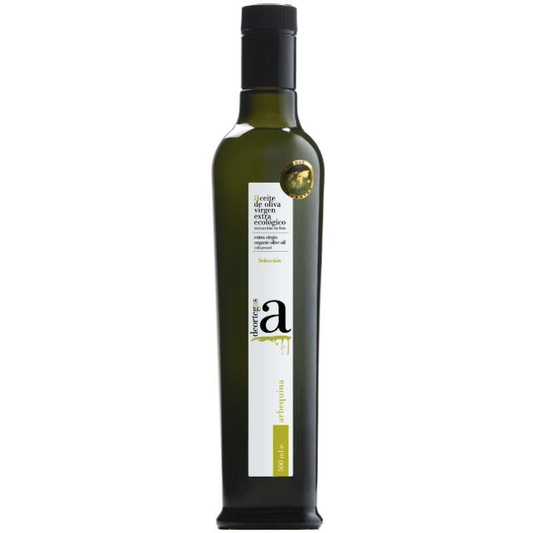
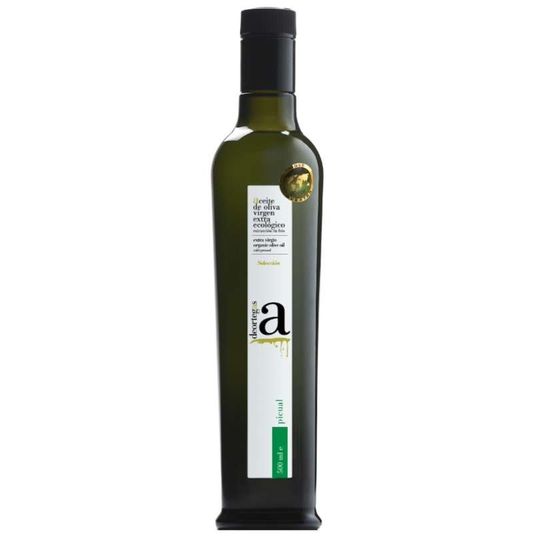
The most resistant to heat are olive oils made from olives Arbequina and Picual.
They have a smoke point of about 190° C.
So when cooking with olive oil, try not to heat it higher than the smoke point, and don’t do it too long. And of course, extra virgin olive oil only. Please stay away from refined olive oils, or so called light olive oil, pure olive oil, and other (still allowed for sale) sorts of carcinogens.
How to Distinguish Between Different Olive Oil Tastes?
When choosing olive oil, our customers often ask which is the best way to use it.
To be more precise, people ask another question: is this olive oil good for cooking or for a salad? And when they hear that it is neither for one nor another, they are surprised: what else it could be?
In fact, it’s too hard to list dishes that pair well with olive oil, much easier to name which ones do not. I can’t remember such kind of food, except for olive oil, of course. Can you imagine someone using olive oil for dressing olive oil?
Olive oil goes perfectly with a wide range of food: grilled fish and meat, stewed and boiled vegetables, cheeses, eggs, pasta, desserts, pastries…

The right question is how to learn which type of olive oil is better for a particular dish. To do this, you just need to understand the rule: olive oil should not dominate, it should emphasize the food characteristics.
In general, all olive oil tastes can be classified as soft (subtle, gentle, even sweet) and robust (hard, peppery, and bitter). We can also talk about medium taste but the boundaries are pretty blurred. By determining the edges of the spectrum, you can easily find your own middle.
The taste of olive oil depends mainly on two factors: olive variety and harvest period.
The regular olives harvest period begins in mid-November and ends in late December.
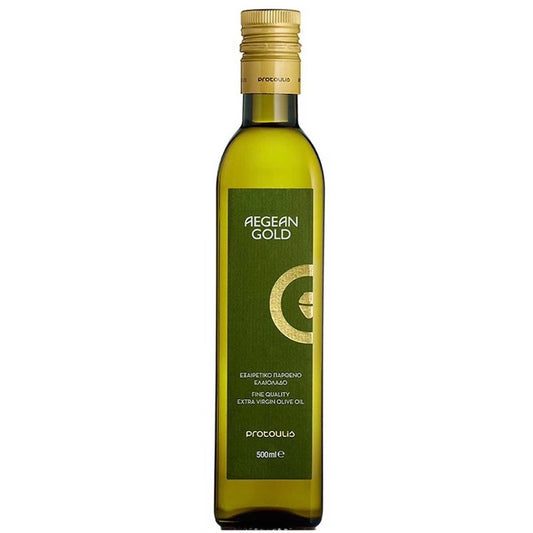
The more oily the olives are and the later they are harvested, the softer your olive oil will be. Such kind of oil (Aegean Gold for example) is good for soft and gentle meals. You can use this olive oil with lemon for salad dressing.
Conversely, if the olives of tough and bitter varieties are harvested and pressed unripe (in early or mid-October) you will get an ideal oil for fatty and savory dishes.
It’s like a combination of food and wine. Hardly you will pair a rare steak with a glass of cold Riesling. It is as strange as ordering 10-year-old Merlot with snails.
Therefore, don’t dress the gentle green leaves of your summer salad with harsh and pungent Istrian Belica olive oil. Pour this oil over grilled lamb ribs, and you will find that life is beautiful and wonderful. And yes, bring that Merlot over here, please!
Olive oil taste also changes when mixing different olive varieties.
For example, olive oil Aegean Gold is a blend of three Greek varieties of olives growing in the southern part of Lesvos: Kolovi, Adramytiani, and Latholia. It is the last two varieties that make this oil softer.
If you compare it to the early harvest olive oil AEGAEA, made from Kolovi olives harvested in October, you’ll feel the difference. AEGAEA will be bored with a vegetable salad, this olive oil is more intense and emotional. Add it to white cheeses and avocados, that’s exactly where it belongs.
How to Pair Olive Oils with Food?
This table will help you to understand which dishes are best suited for olive oils available in our web store:
| Olive oil | Olive varieties | Harvest period and cultivation method | Food pairing tips |
| Aegaea & Aegaea Organic | Kolovi | Early harvest. Organic. | Grilled fish or poultry; Spicy salads; Semi hard cheeses; French artichoke, avocado |
| Protoleo | Koloviand wild olives | Early harvest. Conventional. | Fresh white cheeses; Grilled fish with vegetables; Chicken or other white meat |
| Aegean Gold | Kolovi, Adramytiani, Latholia (Blend) | Regular harvest. Conventional. | Greek salad or other fresh vegetable salads; Fresh, boiled, or grilled vegetables; Creamy vegetable soups; Greek yogurt or tzatziki |
| Sopotnik | Istrian Belica | Early harvest. Organic. | Thick meat soups; Stews (meat with potatoes); Fatty and spicy dishes |
| Vanja Couvee | Istrian Belica, Leccino, Pendolino + 13 other olive varieties. | Early harvest. Conventional. | Lasagna, pasta, ravioli; Seafood or vegetable risotto; Red meat or poultry stews |
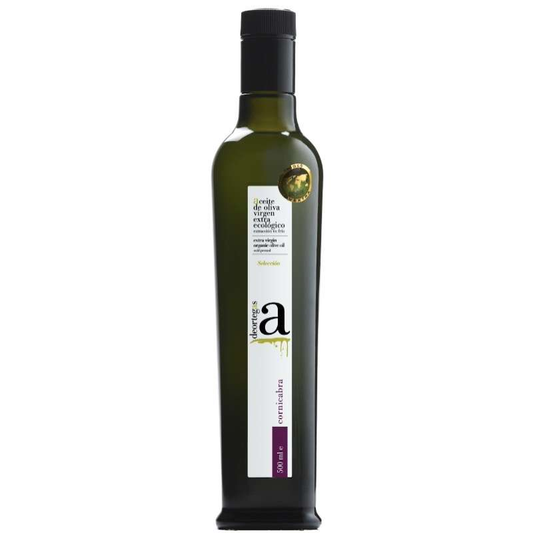
| Deortegas Cornicabra | Cornicabra | Early harvest. Organic. | Aged mountain cheese; Juicy barbecue steak; Seafood paella |
| Deortegas Hojiblanca | Hojiblanca | Early harvest. Organic. | Spicy fish and meat dishes; Hard-aged cheeses; Jamon, prosciutto, carpaccio, tapas… |
| Deortegas Arbequina | Arbequina | Early harvest. Organic. | Meat or chicken casseroles; Egges, white cheese, ciabatta; Sandwiches with garlic and tomatoes |
| Deortegas Picual | Picual | Early harvest. Organic. | Spicy tortilla dishes; Red meat stir-fries; All types of sauces |
Of course, it is only a recommendation. It is impossible to put all the variety of olive oil flavors in any list or table.
So, after all this, the conclusion is painfully simple: it's not about whether olive oil is good for cooking. It's about our habits. Olive oil can be one of the most useful and versatile ingredients in your kitchen, but only if you stop treating it like some ordinary liquid fat to splash onto a hot pan before cracking eggs.
Cooking with olive oil isn't about "cheap" or "expensive." It's not about vague terms like "light" or "pure" on olive oil labels. It's about understanding warmth, stability, and moderation. If you overdo it or choose the wrong olive oil type, you'll simply ruin something that was perfectly good to begin with. Use it correctly, and it will do exactly what people have been praising it for centuries.
And when it comes to flavor, the real shift is this: olive oil isn't just an ingredient, it's a partner. The goal isn't to dominate the dish or disappear into it, but to support it, enhance it, and sometimes make you wonder why you ever settled for something less flavorful.
Try different olive oil flavors and trust your palate. Taste, adjust, and pay attention. At some point, you forget the rules and master the ability to be mindful and intentional. Your food will improve, and you'll finally start using olive oil as more than just a default setting. You'll find combinations that suit your health and pleasure.