Bringing the flavors of the Mediterranean diet into your kitchen doesn't require professional culinary training or a pantry full of obscure ingredients. This style of eating is defined by its reliance on seasonal produce, heart-healthy fats, and the belief that the best meals are often the simplest ones. Whether you are looking for a vibrant breakfast to start your day or a communal dinner to share with friends, these ten dishes represent the very best of a region that prizes freshness and balance above all else. These simple recipes prove that healthy eating can be both deeply satisfying and effortless to prepare.
By focusing on high-quality basics like extra virgin olive oil, fresh herbs, and ripe vegetables, you can transform your daily routine into a celebration of Mediterranean tradition. These meals are designed to be flexible, allowing you to swap ingredients based on what is freshest at your local market or what you happen to have in your refrigerator. As you explore these ten favorites, you will find that the Mediterranean diet isn't just a way of eating, but a relaxed approach to life that invites you to slow down and savor every bite.
So, here are some easy Mediterranean diet meals that you can cook at home in no time.
Greek Salad
Who doesn’t love an old good Greek salad? Greek salad, or Horiatiki, is one of those dishes that feels almost too simple to be as good as it is. It comes from Greece’s rural tradition, where people just used whatever was fresh, ripe, and already on hand.

Greek salad is the perfect combination of fresh vegetables, tangy feta cheese, and a simple olive oil and lemon dressing.
Think juicy tomatoes at their peak, crisp cucumber, a bit of sharp red onion, and those deep, briny olives that give it a salty punch. Then comes the star move: a thick slab of feta placed right on top, soaking up olive oil and sprinklings of oregano.
To make it, simply chop up some tomatoes, cucumbers, red onions, and green bell peppers, and toss them in a bowl with some crumbled feta cheese and Greek olives Kalamata. Drizzle some olive oil and lemon juice over the top, sprinkle with a bit of salt and pepper, and voila! You have a delicious, healthy salad that’s perfect for lunch or dinner.
Hummus and Pita
Hummus and pita is one of those combinations that feels almost timeless: simple, comforting, and quietly addictive. It comes out of the Middle East, where hummus has been a staple for centuries, especially in places like Lebanon, Israel, and Palestine. At its core, hummus is a creamy blend of chickpeas, tahini (ground sesame seeds), lemon juice, garlic, and olive oil. When it’s done right, it’s smooth, slightly nutty, a little tangy, and deeply satisfying without being heavy.

Pita is the perfect companion. It is soft, slightly chewy flatbread with that signature pocket. When it’s warm, it becomes the ideal tool for scooping, tearing, dipping. There’s something very tactile about the whole experience; you don’t really “eat” hummus and pita with utensils, you kind of gather it up, swipe through the hummus, and go straight in.
What’s nice is how flexible it is. It can be a quick snack, a light meal, or part of a much bigger spread with things like olives, fresh vegetables, or grilled meat. In many places (especially across the Levant) it’s not just food, it’s social. People sit around the same plate, dipping into the same bowl, talking, lingering.
And even though it’s humble, it’s surprisingly nourishing. Chickpeas bring protein and fiber, tahini adds richness and healthy fats, and olive oil rounds everything out. So you end up with something that feels indulgent but is actually pretty balanced.
It’s the kind of meal that doesn’t try to impress and ends up doing exactly that anyway. And the best part? You can easily make both at home! To make the hummus, simply combine chickpeas, tahini, garlic, lemon juice, and olive oil in a food processor, and blend until smooth. Then, slice up some pita bread, and toast it in the oven until it’s nice and crispy. Serve the hummus and pita together for a tasty snack or appetizer.
Mediterranean Grilled Chicken
Mediterranean grilled chicken is one of those dishes that feels both rustic and dialed-in at the same time. It’s rooted across places like Greece, Turkey, and Lebanon, where grilling meat over open flame is kind of a daily ritual rather than a special occasion. Mediterranean grilled chicken is lean, flavorful, and easy to make.

What really defines it is the marinade. The chicken usually soaks in a mix of olive oil, lemon juice, garlic, and herbs like oregano or thyme. That combination does a lot of heavy lifting. It tenderizes the meat, keeps it juicy, and builds that bright, slightly tangy flavor that feels very “Mediterranean.” Sometimes you’ll get yogurt in the mix too, especially in Turkish-style versions, which makes the texture even softer and adds a subtle richness.
Once it hits the grill, it’s all about that contrast. You get a smoky, slightly charred outside while the inside stays juicy and flavorful. It’s not heavily spiced or sauced; the goal isn’t to overwhelm the chicken but to highlight it.
It’s often served in a pretty relaxed way, maybe alongside a Greek salad, some hummus and pita, or rice and grilled vegetables. You can eat it as a plated meal, wrap it in flatbread, or just pick at it with your hands. Like a lot of Mediterranean food, it leans into freshness and balance rather than heaviness.
There’s something very “everyday luxury” about it. Nothing fancy on paper, but when it’s done right (good marinade, proper grilling) it hits that perfect middle ground between healthy, flavorful, and deeply satisfying.
So, how to make your Mediterranean grilled chicken? Simply marinate some chicken breasts in a mixture of olive oil, lemon juice, garlic, and herbs for a few hours, and then grill them up until they’re cooked through. Serve with a side of grilled veggies, and you have a delicious and healthy meal that’s perfect for any night of the week.
Shakshuka
Shakshuka is a popular dish in the Mediterranean and Middle Eastern cuisines. It’s basically eggs poached in a flavorful tomato sauce, and it’s incredibly easy to make.
Shakshuka is one of those dishes that feels instantly comforting, like something you’d want on a slow morning or a late, lazy dinner. It’s most closely associated with Tunisia but has become deeply rooted across Israel and the broader Middle East and North Africa.

So, at its heart, it’s eggs poached in a rich, simmering sauce of tomatoes, olive oil, garlic, peppers, and spices. The sauce is where all the personality lives—usually warm and slightly smoky, with cumin, paprika, and sometimes a bit of chili for heat. Then the eggs are cracked right into that bubbling base and cooked just until the whites set but the yolks stay soft and runny.
Eating it is half the experience. You don’t really portion it out neatly; instead, you scoop straight from the pan with bread, dragging it through the sauce and into the yolk so everything mixes together. It’s messy in the best way.
What’s interesting is how adaptable it is. Some versions lean spicy, others add feta or herbs, and some even swap the tomato base for greens or other vegetables. But no matter the variation, it keeps that same spirit—simple ingredients, cooked together slowly, meant to be shared.
It sits somewhere between breakfast, lunch, and dinner without caring too much about categories. More than anything, it’s the kind of dish that invites you to slow down and stay at the table a little longer.
Let's make it fast! Sauté some onions, garlic, and bell peppers in a skillet until they’re soft and fragrant. Then, add some canned tomatoes, cumin, and paprika, and let the sauce simmer for a few minutes. Crack some eggs into the sauce, cover the skillet, and let the eggs cook until they’re set. Serve with some crusty bread for a delicious and hearty breakfast or brunch.
Tabbouleh
Tabbouleh is a classic Middle Eastern salad that’s made with bulgur wheat, fresh herbs, tomatoes, and cucumber. It is one of those dishes that feels almost more like a pile of fresh herbs than a “salad,” and that’s kind of the point.
Tabbouleh comes from Lebanon and Syria, and it leans heavily into brightness and that sharp, citrusy lift. It’s light, refreshing, and perfect for a warm summer day.

The first thing that surprises people is how much parsley is involved. In a proper tabbouleh, parsley isn’t a garnish, it is the base. Finely chopped, almost fluffy, mixed with a bit of mint, tiny bits of tomato, and just a small amount of bulgur for texture. Then everything gets soaked in lemon juice and olive oil, which wakes the whole thing up and ties it together.
The flavor is super clean and punchy. You get that grassy freshness from the herbs, acidity from the lemon, a little sweetness from the tomatoes, and a subtle chew from the bulgur. It’s light, but not boring. There’s a lot going on, just in a very balanced way.
It’s usually served as part of a bigger spread, maybe alongside hummus, grilled meats, or wrapped in flatbread, but it can easily stand on its own if you’re in the mood for something refreshing. It’s also one of those dishes that feels even better after it sits for a bit, once everything has had time to mingle.
More than anything, tabbouleh feels like a celebration of raw ingredients done right. No heavy sauces, no distractions - just freshness, turned up to full volume.
To make Tabbouleh, simply cook some bulgur wheat according to the package instructions, and then toss it with chopped parsley, mint, tomatoes, and cucumber. Drizzle some lemon juice and olive oil over the top, and season with salt and pepper to taste.
Falafel
Falafel is a popular Middle Eastern street food that’s made with ground chickpeas, herbs, and spices. It’s crispy on the outside, soft and fluffy on the inside, and incredibly delicious.
Falafel manages to be both street food and comfort food at the same time. It’s deeply rooted across the Middle East, especially in Egypt, Israel, and Lebanon. And wherever you go, people will have strong opinions about how it should be made.

At its core, falafel is made from ground chickpeas (or fava beans in Egyptian versions), mixed with herbs, garlic, onion, and spices, then shaped into little balls or patties and fried until crisp. The outside gets this deep golden crunch, while the inside stays soft, green, and almost fluffy from all the fresh herbs.
The flavor is earthy and aromatic, with hints of cumin, coriander, and parsley coming through. Falafel is satisfying without being heavy in that greasy way, it's more like hearty and warm. And it really shines in how it’s served. Tucked into pita with crunchy vegetables, drizzled with tahini sauce, maybe a bit of pickles or chili, it becomes this perfect mix of textures and flavors in every bite.
There’s also something very “on the go” about it. In a lot of cities, grabbing a falafel wrap is the quick, cheap, reliable option that still feels like real food. But at the same time, it’s just as at home on a table with other dishes like hummus or tabbouleh, where you can slow down and pick at everything.
It’s simple in concept, but when it’s done right (crispy outside, herby and tender inside) it hits that sweet spot between comfort and freshness that keeps people coming back to it.
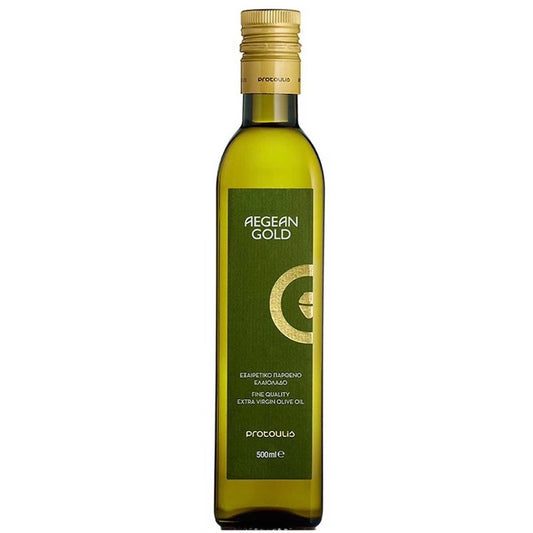
To make Falafel, blend some chickpeas, onion, garlic, and parsley in a food processor, and then form the mixture into small balls. Fry the Falafel balls in extra virgin early harvest olive oil until they’re golden brown and crispy, and then serve them in a pita pocket with some lettuce, tomato, and tahini sauce.
Greek Yogurt Parfait
Greek yogurt is a very popular meal in the Greek Mediterranean diet, and it’s perfect for making a healthy and delicious breakfast or dessert.
A Greek yogurt parfait is very simple on the surface, but actually pretty thoughtful in how everything balances. It builds on Greek yogurt, which is thicker and tangier than regular yogurt because it’s been strained to remove extra whey. That gives it this creamy, almost dessert-like texture while still keeping things light.

The parfait part comes from layering. You usually get that cool, smooth yogurt alternating with something crunchy (like granola) and something fresh and sweet, like berries or sliced fruit. As you dig in, you get a bit of everything at once: creamy, crunchy, juicy, slightly tart, a little sweet. It’s a small thing, but the texture contrast is what makes it feel satisfying instead of just “a bowl of yogurt.”
Flavor-wise, it’s very flexible. Some versions lean naturally sweet with honey and fruit, others go richer with nuts or even a drizzle of nut butter. The yogurt itself brings a gentle tang that keeps the whole thing from tipping into dessert territory, even when it looks like one.
It’s often thought of as breakfast, but it works just as well as a snack or something light after a meal. And there’s a kind of calm: you’re not cooking, not rushing, just assembling a few good ingredients into something that feels a bit more special than it should.
To make a Greek yogurt parfait, simply layer some plain Greek yogurt with fresh fruit and granola in a glass or bowl. You can use any type of fruit you like, such as berries, sliced bananas, or chopped mango. Top it off with a drizzle of honey or a sprinkle of cinnamon for extra flavor.
Grilled Vegetable Skewers
Grilled vegetable skewers are a colorful and flavorful way to add more veggies to your diet. This meal is really effortless, and hit all the right notes when done well. You’ll see them all over the Mediterranean: places like Greece, Italy, Turkey, Balkan and Middle Eastern countries, in other words, wherever people know what a grill is.
Grilled vegetable skewers are also one of those foods that quietly fit into a lot of situations. Backyard grilling, quick weeknight dinner, vegetarian option that doesn’t feel like an afterthought. You can keep them super simple or lean into bold flavors depending on your mood.

It usually starts with a mix of vegetables that can hold their shape on a skewer: things like zucchini, bell peppers, onions, mushrooms, maybe eggplant or tomatoes.
Simply chop up your favorite vegetables and thread them onto skewers. Brush them with a mixture of olive oil, garlic, salt and herbs, and then... The heat does most of the work. Vegetable skewers are grilled not too long, just until they’re tender with those lightly charred edges.
That char is everything. It brings out the natural sweetness in the vegetables while adding a smoky depth that you just can’t get any other way.
As they cook, the edges get a little charred, the sugars in the vegetables start to caramelize, and everything softens just enough to feel juicy but still has some bite. Even vegetables that are kind of boring on their own, like zucchini or mushrooms, suddenly taste deeper and richer. And because they’re cooked on skewers, you get this mix of flavors in every bite instead of eating each vegetable separately.
Each vegetable behaves a little differently too. Peppers get soft and sweet, onions mellow out, zucchini turns silky, so every bite feels slightly different even though it’s all from the same skewer.
Grilled vegetable skewers are usually served hot off the grill, sometimes with a squeeze of lemon or a sprinkle of herbs, and they fit into just about any kind of meal. You can serve them as a vegetarian main course. You can also eat them as a side, pair them with grilled meat, or even wrap them in flatbread with a bit of sauce. There’s something very relaxed about them—no heavy sauces, no fuss, just good ingredients meeting fire and doing their thing.
Spanakopita
Spanakopita is a traditional Greek savory pastry that relies on the contrast between its crisp, flaky exterior and its flavorful, herb-forward filling. At its core, the dish consists of layers of phyllo dough that are brushed with olive oil or butter to ensure a golden, crunchy texture once baked. Inside, the filling is primarily made from fresh spinach and feta cheese, which provides a tangy and salty depth.
The aromatic quality of the pie comes from the inclusion of various green herbs, with dill being the most prominent, though many versions also incorporate parsley, mint, or green onions. To prevent the pastry from becoming soggy, the spinach is typically sautéed or salted and then thoroughly squeezed to remove any excess liquid before being mixed with eggs, which act as a binder for the filling.

Phyllo dough is layered with a bit of oil or butter between sheets, so when it bakes, it turns incredibly crisp and golden. You get that contrast between the crunchy outside and the soft, savory filling inside.
While it is frequently associated with Greek home cooking and street food, the concept of layering dough with greens likely has roots in the broader culinary traditions of the Ottoman Empire.
Today, it remains a versatile staple that can be served as a handheld snack in small triangles or as a hearty main course when prepared in a large tray and sliced into portions. It is widely enjoyed either warm or at room temperature, which allows the complexity of the feta and fresh herbs to remain front and center.
Spanakopita can come in a big pie that you slice, or as smaller triangles you can grab and eat with your hands. It works just as well as a snack as it does a full meal, especially with something light on the side.
It’s the kind of food that feels comforting but not heavy—salty from the cheese, slightly sweet from the cooked spinach, and wrapped in that delicate crunch.
Sound fancy, but let's make it fast and simple. Mix together some chopped spinach, crumbled feta cheese, and herbs, and then wrap the mixture in layers of phyllo pastry. Brush the top with olive oil, and bake it in the oven until it’s golden brown and crispy. Slice it into pieces and serve.
Grilled Fish with Lemon and Herbs
Grilled fish with lemon and herbs is a cornerstone of coastal Mediterranean cuisine, celebrated for its simplicity and its ability to highlight the freshness of the sea. The preparation typically involves a whole fish (sea bream, sea bass, red snapper...) which is cleaned and then stuffed or rubbed with aromatics. This method of cooking over an open flame or on a hot grate creates a charred, smoky skin while keeping the flesh inside moist and tender.
The flavor profile is defined by a bright, acidic finish provided by fresh lemon juice, which cuts through the natural oils of the fish. This is often whisked together with extra virgin olive oil to create a light dressing known as *ladolemono*. Garlic and sea salt are foundational seasonings, but the herbal component is what adds complexity. Oregano is the most traditional choice, offering an earthy and slightly bitter note, though thyme, rosemary, and flat-leaf parsley are frequently used to provide floral or peppery undertones.

To achieve the best results, the fish is often scored with shallow diagonal cuts along the sides, allowing the heat and the herbal oils to penetrate deeper into the thickest parts of the fillet. Serving the dish often involves a final garnish of fresh herbs and extra lemon wedges to be squeezed over the fish just before eating. Because the ingredients are so minimal, the quality of the oil and the timing of the grill are the most critical factors in ensuring the delicate proteins do not overcook.
So, choose your favorite type of fish, such as salmon, trout, or sea bass, and season it with a mixture of lemon juice, garlic, and herbs. Grill it until it’s cooked through and flaky, and serve it with a side of grilled vegetables or a simple salad. It’s a light and refreshing meal that’s perfect for warm weather. And don’t forget to drizzle this delicacy with fresh farm olive oil from our collection!
And a little about choosing fish...
When selecting a fish for grilling, the best choices are those with firm flesh and enough natural oil to withstand the high heat without falling apart or drying out. White fish like sea bream or sea bass are classic Mediterranean favorites because their skin crisps beautifully while the meat stays succulent and sweet. For a heartier texture, swordfish or halibut steaks are excellent alternatives, as their dense, meaty consistency behaves much like a traditional steak on the grill grates.
If you prefer a more robust and distinct flavor, salmon or mackerel are ideal due to their high fat content, which helps them stay moist even when exposed to intense flames. For those who enjoy a milder profile, red snapper or grouper provide a clean taste that acts as a perfect canvas for lemon and fresh herbs. Regardless of the variety, choosing a whole fish with the skin on offers a natural protective barrier that seals in juices and adds a smoky depth to the final dish.
Actually, salmon is the best choice for grilling because its high fat content makes it incredibly forgiving under high heat. Unlike leaner white fish that can turn dry if left on the flame a minute too long, the natural oils in salmon keep the flesh moist and buttery while allowing the exterior to develop a deep, caramelized sear.
When pairing it with lemon and herbs, the acidity of the citrus is particularly effective at cutting through the richness of the fish. Woody herbs like rosemary or thyme hold up well to the bold flavor of salmon, though fresh dill remains a classic pairing that highlights its sweetness. For the best results on a grill, using a skin-on fillet or a thick center-cut steak is ideal, as the skin acts as a heat shield and provides a crispy texture that contrasts with the tender interior.
Summary
The beauty of Mediterranean cooking lies in its ability to turn humble, everyday ingredients into something truly memorable. By mastering these ten foundational meals, you have gained a versatile toolkit for healthy, flavor-forward cooking that fits perfectly into a busy modern lifestyle. Whether you are scooping up fresh hummus with warm pita or savoring the crunch of a perfectly baked spanakopita, these dishes offer a direct connection to a culinary heritage that has nourished people for centuries.
As you continue to cook these recipes at home, remember that the secret ingredient is often just a final touch of freshness—a squeeze of lemon, a sprinkle of sea salt, or a generous drizzle of quality olive oil. These small details are what elevate a simple grilled fish or a crisp salad into a restaurant-quality experience. Mediterranean food is meant to be shared and enjoyed without stress, so invite some company over, set the table, and let these vibrant flavors speak for themselves. Eat well and enjoy Mediterranean!