Starting the Mediterranean diet is a great way to improve your overall health and well-being. This diet is based on traditional Mediterranean cuisine and is associated with many health benefits, including a reduced risk of heart disease, cancer and diabetes.
Boring? Of course it is. This is how all stupid moralizing about a healthy lifestyle begins. Well, here are some tips to help you get started. You don’t need to follow them blindly, it’s much more important to understand how it works.
Be Honest: What Do You Really Want?
Before you start your Mediterranean diet, try to realize your goals. If this is another attempt to lose weight… you know, you better not even bother.
Weight loss diets don’t work. To lose weight, your body needs a calorie deficit, which you can reach with any diet. By the same principle, you can also get fat by following any diet. Food is energy, so in order to lose weight, you should consume less energy than you burn. That’s it.
If your goal is general recovery and a full charge of energy and vitality, then you are on the right track; feel free to step on the gas!
Just one more thing: It’s not for a year or two. And this is not until the first positive changes appear. It is for the rest of your long and happy life. Only by accepting this, you can be sure that soon you will not just lose extra kilos. You'll start feeling younger and stronger.
Do Your Research and Learn the Basics
Read something serious, not AI generated bullshit from the first page of Google search results. Unfortunately, all these tools can do is extract all the nonsense from all over the Internet. They compile and average it out, dilute it with their hallucinations, and then return it to you as the ultimate truth.
Most web searches return this nonsense because search engines optimize for engagement and SEO, not epistemic quality. If you want foundational knowledge rather than recycled summaries, you need to change both the query strategy and the sources you target. Change the type of sources you search for. Prioritize textbooks, lecture notes, academic courses, and highly specialized articles. These are written to teach concepts, not to capture traffic.
Sometimes all you need is to modify the search syntax. These operators will help you change results:- site:edu or site:ac.uk → university materials
- filetype:pdf → lecture notes, textbooks, technical reports
- "lecture notes" or "introduction to" → structured learning documents
The next thing you need to do to start the Mediterranean diet is to buy a good Mediterranean diet book. You need a book written by a Mediterranean person living in the homeland of their ancestors. This book will help you figure out which dishes you’d like to try. Moreover, it will help you feel the true spirit of the Mediterranean. Once you get this, you can make your brand new shopping list for your next trip to the supermarket, or better yet, to the local farm market.
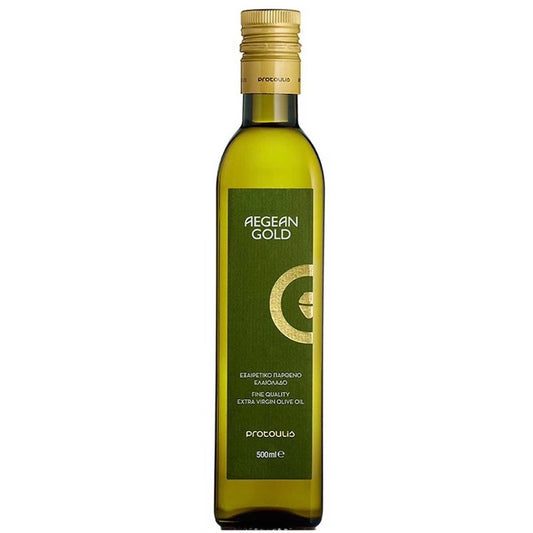
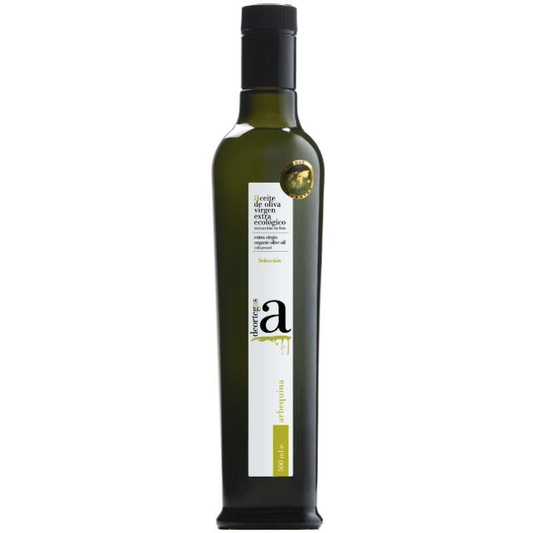
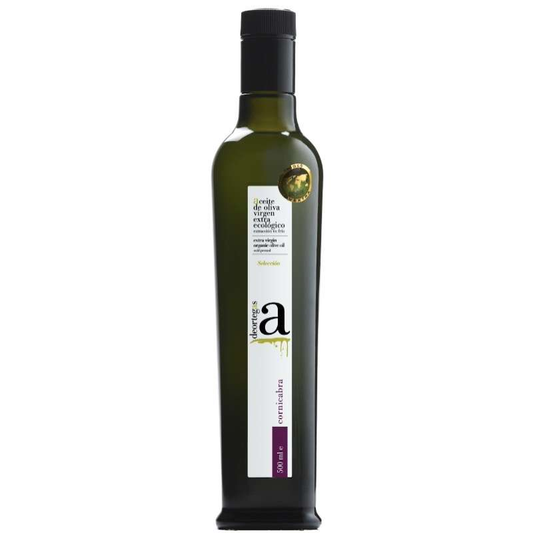
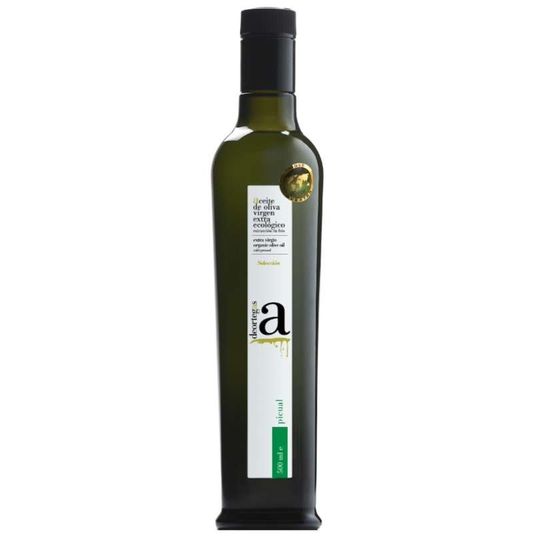
You will cook at home or you will eat what your family cooked for you. So make sure you stock up on the most necessary products in the kitchen: olive oil, wine vinegar, herbs and spices, lemons, onions, garlic, and white and red dry wine for cooking and drinking.
Eat Food. Not Too Much. Mostly Plants.
Your best Mediterranean diet guide is your understanding of its essence.
Learn to read labels. If the ingredient list is more than three items, don’t buy it. You don’t have to buy food made up of ingredients. You need to buy ingredients and make food out of them.
There are no ingredients in fish, olive oil, lemon, oregano, garlic, sea salt and wine. They themselves are the ingredients from which you will prepare your dinner.
This concept was perfectly described by Michael Pollan, an American author, journalist and professor at Harvard University. He called it Eat Food. Not too much. Mostly plants.
By food, Pollan means exactly what is an ingredient, not what is made up of ingredients. Simply put, in his own words: “Don’t eat anything your great-grandmother wouldn’t recognize as food”. And this accurately reflects the Mediterranean approach to choosing food products.
¡Tranquilo, hombre, no hay necesidad de preocuparse!
You've probably spent your vacation at the seaside: Greece, Italy, Spain, wherever. You've probably noticed how, within the first few days, you begin to relax and slow down. No fuss or worries. Nowhere to run. Nothing to worry about.
Now look at the locals. They're just like you, calm and relaxed. But there's one difference: they're not on vacation. They just live like that.
Accept the fact that you can’t earn all the money in the world, and a heart attack is the last thing you need, isn’t it? Yes, work is important, but can’t you see? We live a little more quietly here.
Your Mediterranean diet will not allow you to eat fast food garbage on the run between a meeting with your boss and a trip to your customer. So get yourself a beautiful lunch box and make sure that it always contains food for a person who respects him/her-self. Or find a suitable restaurant near your office. A real siesta is definitely too much but who knows… just think about it.
Moreover, you'll need to make it a good tradition to have a daily family dinner and a regular dinner with your relatives and friends on the weekend. Perhaps at first, it will seem tedious and unnecessary, but then you will begin to realize: the Mediterranean diet is not a diet. It is a lifestyle.
Just Do It
Ready? So what are you waiting for? Does your doctor doubt if it’s harmless to start the Mediterranean diet right away, without prior preparation and testing?
It’s not a problem at all, it’s even much better than planning tiny gradual changes to your eating habits and calculating how many hamburger bites you need to make today less than yesterday.
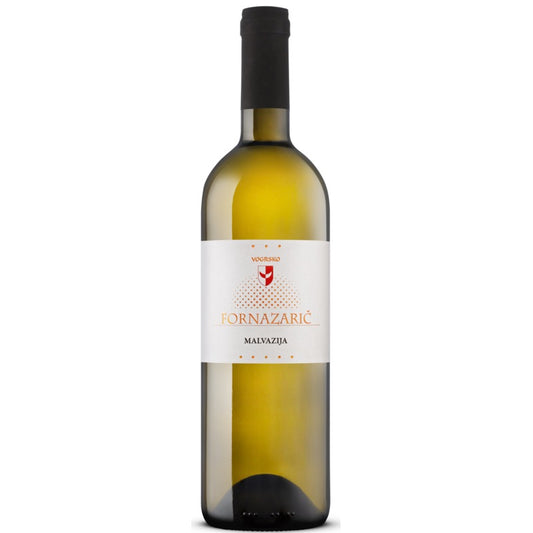
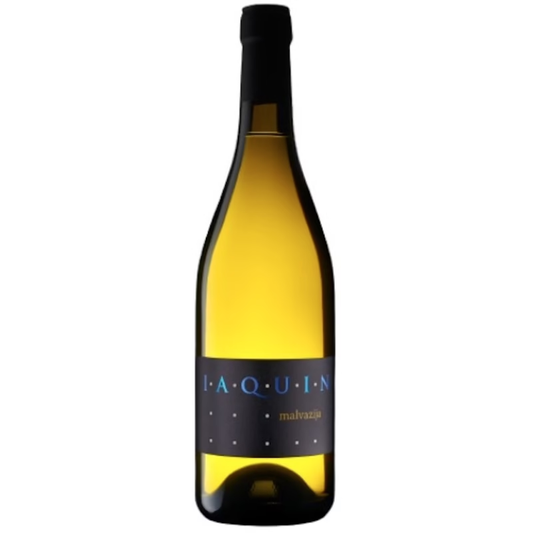
Again, remember that when you start your Mediterranean diet, you don’t give up your hamburger forever. Just agree with yourself that now you get it not four, but two times a month. And instead of missing a couple of hamburgers a month, you will enjoy grilled salmon and a glass of organic orange Malvasia.
What Foods to Avoid on a Mediterranean Diet?
While the Mediterranean diet is flexible and allows for a variety of foods, there are foods that should be eliminated or limited, otherwise soon you’ll get sick and die in terrible agony. Are you afraid? No? You should be.
So here are these bad things:
- Processed and packaged foods. These foods are often high in salt, sugar, unhealthy fats and chemicals. So, as we already agreed with you, you do not even look at this garbage. It’s not food for homo sapiens.
- Red and processed meats. Limit your intake of red and processed meats, such as beef, lamb, pork, as well as all kinds of sausages. Don’t remove it completely as it will upset you. Allow yourself this sometimes, once or twice a month. It is important that you enjoy it and never judge yourself for it.
- Sweets and desserts. These are high in sugar and unhealthy fats. But! Do you like baklava with your Turkish coffee? Please yourself, for example, on a full moon. Well, or come up with some other reason, but not more than once a month.
- Refined grains. Choose whole grains instead of refined grains such as white bread, pasta and rice. You’ll be surprised what a sea of tastes will open up for you, along with an ocean of energy.
- Butter: it is high in saturated fats and should be used very rarely.
- Margarine and fried foods: Read more about trans fats and forget about this poison forever.
- Sugary drinks: These are high in sugar and empty calories and should be avoided. Also, forget fruit juices, including fresh juices: it’s just pure sugar. When you eat a whole fruit or drink a smoothie, the fiber contained in them completely neutralizes the effect of sugar. Juice has no fiber, only water and sugar.
Mediterranean Diet Meal Plan
Need some instructions on what to eat and when? Yes, sometimes we want to turn off our brains and do everything according to a pre-prepared list. For example, 6:30 – brush your teeth, 6:40 – tie your shoelaces, etc.
So, especially for such cases, here is an example of a Mediterranean diet meal plan for a day:
Breakfast:
- Greek yogurt with fresh berries, nuts, and honey
- Whole-grain toast with avocado and a sprinkle of sea salt
- Fruit smoothie or coffee
Snack:
- Apple slices with almond butter
Lunch:
- Grilled chicken breast with mixed greens, cherry tomatoes, cucumber, red onion, and feta cheese
- Whole-grain pita bread with hummus
- Sparkling water with lemon or lime
Snack:
- Handful of mixed nuts and dried fruit
Dinner:
- Baked salmon with lemon and herbs
- Roasted vegetables (such as bell peppers, zucchini, and eggplant) with garlic and olive oil
- Glass of red wine (optional)
Dessert:
- Fresh fruit salad with a dollop of Greek yogurt
And make sure to drink plenty of water throughout the day to stay hydrated.
You can find a more detailed Mediterranean diet plan here. Just don’t try to blindly follow all the instructions! If you become a slave to your diet, you will never be healthy.
As a short reminder in conclusion: The Mediterranean diet is not a strict set of rules and it’s not just about the food, it is a lifestyle. Incorporating regular physical activity, enjoying cooking and eating meals with family and friends, and reducing stress are at least no less important components than choosing the right food products.
Be patient: it may take some time to adjust to the new way of eating, so give yourself time to adapt and soon you’ll see how great it works.