Kalamata Olives: From Cultivation to Culinary Use
Kalamata is a medium-sized, asymmetrical, almond-shaped olive. When ripe, the fruit has a rich dark purple color and a soft juicy taste under its gentle olive skin. To avoid damaging their delicate skin, Kalamata olives are harvested by hand — a slow and careful process that explains both their quality and their price. Yes, that explains why they taste better and cost more than olives treated with less respect.

Why Do Kalamata Olives Taste the Way They Do (Insanely Delicious)?
Well, let's start with location. Olives from Messenia develop in a very specific environment. Long, hot summers push the fruit to accumulate oils, while mild winters prevent stress damage. The soil in this region tends to be well-drained and mineral-rich, and the proximity to the sea means subtle salinity and stable humidity. All of this results in olives with a higher oil content and a more concentrated flavor, which is why Kalamata olives taste richer and less bland than mass-produced varieties.
Then there’s the variety itself. Kalamata (or Kalamon) olives are naturally larger and contain more flesh relative to the pit. That flesh is packed with phenolic compounds, which are responsible for the slightly bitter, wine-like depth. As the olives ripen fully on the tree, sugars increase and bitterness softens, but it never disappears completely. That balance between bitterness, fruitiness, and a faint sweetness is what gives them their distinctive “complex” taste instead of just “salty blob.”
Processing is the final piece. Fresh olives are basically inedible because they’re intensely bitter. Kalamata olives are traditionally cured in brine for several months. During this time:
- Bitterness decreases as compounds like oleuropein break down
- Salt penetrates the flesh, enhancing flavor
- Mild fermentation develops subtle tangy, almost wine-like notes
Unlike heavily processed black olives, Kalamata olives are not aggressively treated with chemicals, so they retain more of their natural flavor compounds. That’s why they taste deeper and less one-dimensional.
Texture matters too. The relatively thin skin and high oil content give them that soft, almost meaty bite instead of the rubbery texture you get from cheaper olives.
So, in short: good climate, high oil content, natural ripening, and slow curing. No mystery, just a well-optimized fruit. Just chemistry and geography doing their quiet, predictable work.
From Tree to Table: How Kalamata Olives Are Grown, Harvested, and Prepared
Kalamata olives grow only in warm climates and do not tolerate cold at all but at the same time, these olives are not attacked by the olive fly. For most olive varieties, the olive fly is a serious threat that can easily destroy up to half of the crop. Therefore, when buying Kalamata olives, you can be sure of their natural taste as they have not been treated with pesticides.
The olive harvesting season lasts from early October to late December. Olives of varying maturity are used for oil production. As for table olives, they are harvested either unripe, green or fully ripe, almost black.
It is customary to pick Kalamata olives from the tree by hand. This takes a lot of time but it does not damage their delicate structure. Before harvesting, a tarp is placed under the tree because the olives should not remain on the ground.
Not all of the harvested olives will be used for food or oil production. Part of the crop (rotten and damaged fruits) must be thrown away. However, they should not remain on the ground as rotting olives can cause soil and tree root diseases. Kalamata olives are sometimes harvested slightly under-ripe, about 80-90% ripe, when they are turning from dark red to bright purple. During the preparation process, they gradually ripen and turn dark purple.
This was already written about but it won’t be superfluous to remind: Black olives is a symbolic name, because absolutely black olives do not exist in nature (except sun-dried olives Thassos Throumpa). Ripening, the olives darken, getting various shades, from bright brown to deep purple. If you bought perfectly black olives then most likely they are artificially coloured green olives. Such olives are processed with caustic soda (sodium hydroxide, a very toxic substance), and then colored with artificial color iron gluconate E579. They are less tasty and most of their nutrients are destroyed by this process.
Right after harvesting, the olives are washed and put in fresh water for 2-3 weeks, and the water is changed every week or more often. In order to make the olives edible, their bitterness should be removed and salt works best for this. Therefore, olives are kept in a brine for 3-4 months. After removing the bitterness, Kalamata olives are preserved with the addition of olive oil, vinegar, and various spices.
Olives are usually packed in small (up to 500 g) and large (1-3 kg) glass or plastic jars. Also, you can buy olives Kalamata packed in 5 – 9 kg metal cans. Sometimes they can be found in vacuum packages, however, it’s not the best solution because the fruits can be damaged during transportation. Floating freely in brine is preserved much better.
Storage and Shelf Life of Kalamata Olives
Proper storage is essential to preserve the taste, texture, and safety of your Kalamata olives after purchase.
Unopened jars or cans should be stored in a cool, dark place away from direct sunlight. In these conditions, olives can maintain their quality for many months, up to the expiration date indicated on the packaging.
Once opened, Kalamata olives should always be kept in the refrigerator and stored in their original brine. The liquid plays a key role in preserving the olives, preventing them from drying out and protecting them from spoilage. If necessary, additional brine can be prepared (water with salt) to ensure the olives remain fully submerged.
It is not recommended to store olives dry or exposed to air, as this quickly affects their texture and flavor. Olives kept outside of brine may become soft, oxidized, and unpleasant in taste.
When properly refrigerated and submerged in brine, opened Kalamata olives can typically be stored for 2 to 3 weeks without significant loss of quality. In some cases, they may last longer, but their flavor and texture will gradually deteriorate.
Always use clean utensils when handling olives to avoid introducing contaminants. If the brine becomes cloudy, develops an off smell, or if the olives show signs of mold, they should be discarded.
Freezing Kalamata olives is generally not recommended, as it damages their texture and alters their flavor.
By following these simple storage practices, you can maintain the quality and taste of Kalamata olives for as long as possible after opening.
Nutritional Value of Kalamata Olives
Kalamata olives are not just a flavorful addition to your meals, they also provide a range of beneficial nutrients. Their composition is largely based on healthy fats, along with important vitamins and antioxidants.
The majority of the fat content in Kalamata olives comes from monounsaturated fatty acids, particularly oleic acid. These fats are associated with supporting heart health and maintaining balanced cholesterol levels when consumed in moderation.
Kalamata olives are also rich in antioxidants, especially polyphenols. These compounds help protect cells from oxidative stress and contribute to the olives’ characteristic slightly bitter and complex taste. Regular consumption of foods rich in polyphenols is often linked to reduced inflammation and overall health support.
In addition, Kalamata olives contain small amounts of essential vitamins and minerals, including vitamin E, iron, calcium, and copper. Vitamin E plays a role in protecting cells from damage, while minerals support various metabolic functions in the body.
However, it is worth noting that Kalamata olives are typically cured in brine, which makes them relatively high in sodium. For this reason, they should be consumed in moderation, especially for individuals monitoring their salt intake.
Kalamata or Kalamon? Doesn’t Matter, Unless You Live in Kalamata City
Only olives grown in the Greek province of Messenia can be called Kalamata because it is the name of the main city of this region and is Protected Geographical Indication (PGI).

Yes, Kalamata is the birthplace of these wonderful olives, for which we are so grateful to the inhabitants of this city. And as thanks we have to pay for Kalamata olives a little more than for exactly the same olives from neighboring provinces of the Peloponnese. So all olives of this variety, grown outside the province of Messenia, are called Kalamon.
By the way, this restriction is valid only within the European Union and if you find Kalamata olives produced somewhere in America or Australia, don’t worry, everything is legal. The punishing sword of Nemesis has not yet reached these remote corners of our planet.
Kalamon olives taste just as good as Kalamata olives, of course, if they were grown in a region with suitable climatic conditions and grown correctly.
Of course, there is no doubt that the people of Messenia have a different opinion. Most likely someone will even tell you that Homer (not Simpson!) mentioned olives from this place and believed they were the best in the world. However, even Kalamata city residents are unlikely to be able to distinguish the taste of their olives from olives of the same variety grown in neighboring Laconia or Arcadia.
Authentic Greek Salad: Fast and Simple
A traditional Greek salad is intentionally simple, and adding too many ingredients tends to defeat the purpose. That means, at some point, it stops being a Greek salad and becomes your personal experiment. So, Kalamata olives, cucumber, tomato, green pepper, red onion, feta and olive oil – that’s all. Fast and simple. If you spend more than five minutes, it’s not a Greek salad.

The composition of Greek salad is simple and there are always only 6 ingredients:
1. Cucumbers, medium in size, with thin skin. The skin is not peeled off, the cucumbers are cut across.
2. Tomatoes. Medium size, no cherries, etc. Just normal tomatoes, cut into 4 pieces.
3. Green pepper. Only green, no other colors. Cut across, in rings.
4. Feta. Real, solid sheep feta. Several large pieces for a large bowl of salad. Feta does not need to be crumbled, everyone will figure it out on their own.
5. Medium red onions. Cut into rings or half rings.
6. And of course, absolutely irreplaceable ingredients of any real authentic Greek salad are Kalamata olives. Or Kalamon, as we recently found out. Only with stones. Pitted olives are dead olives.
You may think that this borderline authoritarian. “Only green pepper, no other colors” sounds like the vegetable police are watching. Okay, we don't want to start arguments at dinner tables across Europe. If you only find red peppers in the fridge, the stupidest thing you can do is run out to look for green ones. Especially if all the stores are already closed. Or to give up the Greek salad, which is even dumber. So accept our permission, but keep in mind: this must not happen again.
That’s all. No lettuce, icebergs, or other leaves. All ingredients are cut large, no need to grind. Besides, it’s too tiring. All vegetables must be ripe and fresh. Plastic tomatoes will kill your Greek salad, so it’s better not to try them at all.
If the olives are salty enough then you don’t need to add salt to your Greek salad. However, using salt helps extract juice from vegetables, which will mix with the other ingredients and make the salad taste more intense. We recommend you use Trikalinos sea salt. Soft and delicate crystals of this Aegean Sea salt dissolve very well even in cold dishes, emphasizing the taste of fresh vegetables.
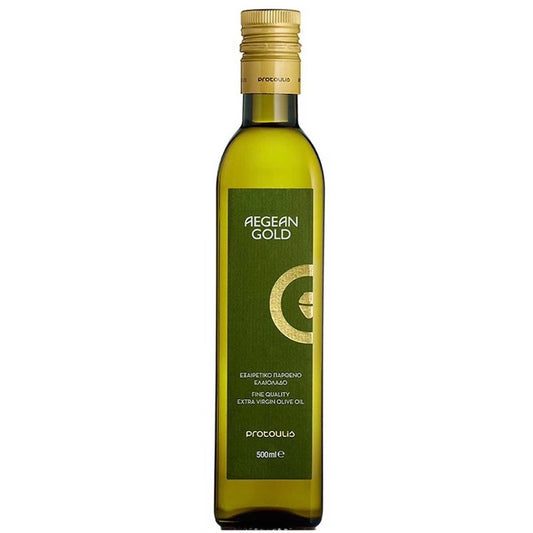
Greek salad is dressed with mild Greek olive oil such as Aegean Gold. You don’t have to season all the salad, but just put olive oil and vinegar in front of the guests, everyone will add them to taste.
What Else to Do with Kalamata Olives?
If you’re looking for more than just Greek salad and a fancy aperitif, Kalamata olives are surprisingly versatile. They’re not ideal for frying or long stews because their delicate flavor and texture can get lost, but they shine in ways that highlight their natural taste.
Most of the olives are stored in brine. To remove some salt from the olives wash them with cold water. It's even better if you have time to keep olives for a couple of hours in cold water, changing the water from time to time.
Tapenades and spreads: Blend Kalamata olives with garlic, capers, and olive oil for a simple, flavorful paste that works on bread, crackers, or sandwiches.
Pasta and grain dishes: Toss pitted olives into pasta, couscous, or rice dishes. They pair especially well with tomatoes, roasted vegetables, or feta.
Pizza and flatbreads: Scatter olives over pizza or focaccia before baking. Their salty, slightly tangy flavor adds depth without overwhelming other toppings.
Stuffed appetizers: Large Kalamata olives can be stuffed with cheese, nuts, or roasted peppers for tapas, antipasti, or snack platters.
Salad boosters beyond Greek salad: Add them to bean salads, roasted vegetable salads, or simple green salads. They elevate the dish without needing extra seasoning.
Oil and vinegar infusions: Add a few olives to olive oil or vinegar to create subtle, Mediterranean-flavored condiments.
Cocktail garnish: They’re a natural alternative to standard olives in martinis, giving a deeper, fruitier note.
Here is how to serve Kalamata olives. Just olives, without making a salad:
- Wash the olives with cold water, then remove residual water with a paper towel.
- Sprinkle the olives with lemon juice, 1/4 lemon is enough.
- Pour extra virgin olive oil Kyklopas Premium Selection on the olives.
- Add some oregano or rosemary.
- Open a bottle of wine and start your aperitif.
So, anywhere you want a concentrated, slightly fruity, briny punch, Kalamata olives fit right in. Their bold flavor allows them to be a star or a supporting player, as long as they’re treated with respect and not buried under heavy cooking.