The ultimate truth is always boring, but sometimes there is no other way: Maintaining a balanced and nutritious diet is extremely essential for your overall well-being. One dietary pattern that has gained immense popularity for its health benefits is the Mediterranean diet. Characterized by an abundance of fresh fruits, vegetables, whole grains, and heart-healthy fats, the Mediterranean diet has been linked to numerous health advantages, including reduced risk of chronic diseases and improved longevity. However, what if you’re a vegetarian or considering adopting a vegetarian lifestyle? Can you still enjoy the benefits of the Mediterranean diet? The answer is a resounding YES.
In this article, we will explore the Mediterranean diet for vegetarians in detail, focusing on how vegetarians can adapt this lifestyle to meet their nutritional needs while savoring the delicious flavors and health benefits it offers.
Understanding the Mediterranean Diet
Origins and Traditions: The Mediterranean diet is not a diet in the usual sense of the word; it is not a refusal of tasty food in order to lose weight. What we call the Mediterranean diet is a way of life that has been practiced for centuries (and even millennia) in the Mediterranean region. Countries like Greece, Italy, Spain, and southern France have embraced this dietary pattern, which reflects their cultural heritage, climate, and agricultural resources. The diet’s origins can be traced back to the early 1960s when researchers first observed the remarkable health of people in these regions. The Mediterranean diet is characterized by the following key components:
Fresh Fruits and Vegetables: The foundation of the Mediterranean diet is plant-based, emphasizing the consumption of a wide variety of colorful fruits and vegetables. Learn about the seasonal produce that thrives in the Mediterranean region.
Whole Grains: Whole grains, such as whole wheat, barley, and quinoa, are staples in the Mediterranean diet. Discover delicious ways to incorporate whole grains into your vegetarian Mediterranean meals.
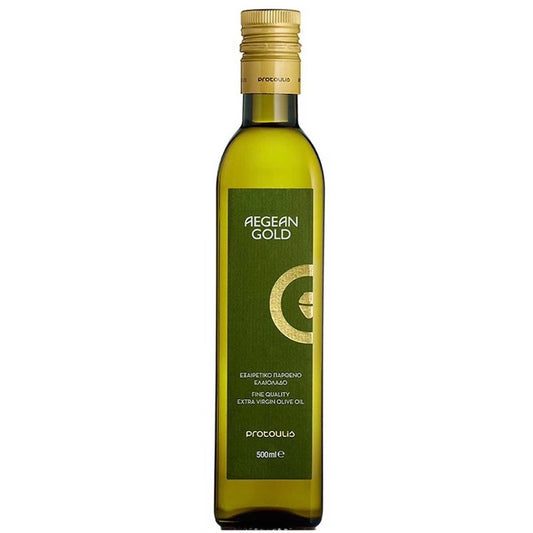
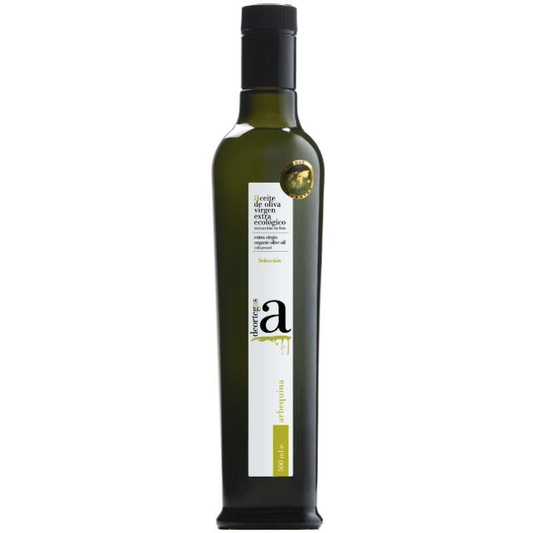
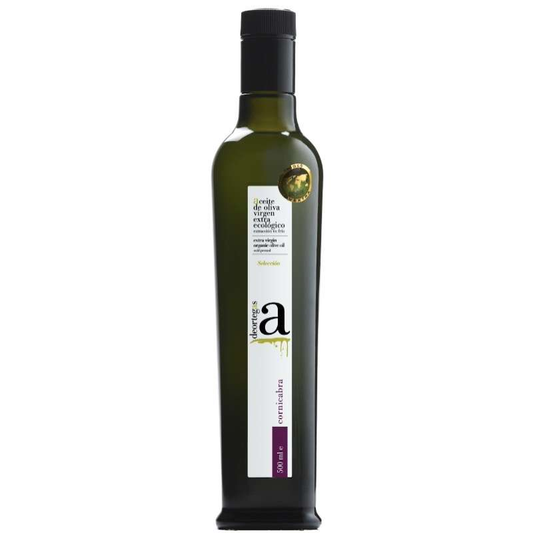
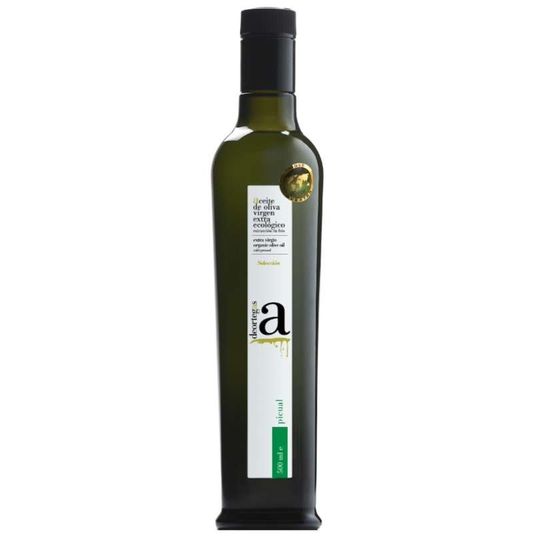
Healthy Fats: Extra virgin olive oil is the primary source of fats. It’s rich in monounsaturated fats and antioxidants. Explore the benefits of real fresh farm olive oil - the best ever source of healthy fats in the Mediterranean diet for vegetarians.
Lean Protein Sources: While traditional Mediterranean diets include fish and seafood, vegetarians can rely on plant-based protein sources like beans, lentils, and nuts. Learn how to meet your protein needs when following the vegetarian Mediterranean diet.
Dairy or Dairy Alternatives: Traditional Mediterranean diets include moderate dairy consumption, but vegetarians can opt for dairy or dairy alternatives like soy or almond milk. Understand the importance of calcium and its sources in a vegetarian Mediterranean diet.
Herbs and Spices: Mediterranean cuisine is renowned for its flavorful herbs and spices, such as basil, oregano, and rosemary. Explore how herbs and spices can enhance the taste of your vegetarian Mediterranean dishes.
Benefits of the Mediterranean Diet for Vegetarians
Vegetarian Mediterranean Diet and Heart Health: One of the most well-documented benefits of the Mediterranean diet is its positive impact on heart health. For vegetarians, this diet offers an array of heart-healthy foods. The high consumption of fruits, vegetables, and whole grains provides essential nutrients like fiber and antioxidants that help lower the risk of cardiovascular diseases. Additionally, the use of olive oil, a monounsaturated fat, as the primary source of fat in the Mediterranean diet, has been associated with improved cholesterol profiles. Speaking of the Mediterranean diet for vegetarians, incorporating olive oil into cooking and salad dressings is a flavorful way to promote heart health.
Vegetarian Mediterranean Diet and Weight Management: Weight management is another area where the Mediterranean diet shines. The emphasis on nutrient-dense, high-fiber foods means that you can feel satisfied with fewer calories. For vegetarians, this can be particularly beneficial as plant-based foods are typically lower in calories than animal products. Moreover, the Mediterranean diet encourages mindful eating and promotes the enjoyment of meals, which can contribute to better portion control and reduced overeating. Combining this approach with a vegetarian lifestyle can help maintain a healthy weight or support weight loss goals.
The Mediterranean Diet for Vegetarians and Diabetes Management: Individuals with diabetes can also benefit from a Mediterranean diet, including vegetarians. The diet’s focus on complex carbohydrates, such as whole grains, legumes, and vegetables, helps regulate blood sugar levels. These foods have a lower glycemic index, which means they cause a slower and steadier rise in blood glucose compared to refined carbohydrates. Furthermore, the consumption of healthy fats in the Mediterranean diet, like those found in nuts and olive oil, can improve insulin sensitivity. For vegetarians, nuts, seeds, and olive oil are valuable additions to their daily meals for better diabetes management.
Vegetarian Mediterranean Diet and Cancer Prevention: Research suggests that the Mediterranean diet may have a protective effect against certain types of cancer, particularly colorectal cancer. The abundance of fiber-rich foods in this diet helps maintain a healthy gut, reducing the risk of cancer development. Vegetarians, who often consume higher fiber levels through plant-based foods, can amplify these benefits by following a Mediterranean-inspired eating pattern. The antioxidants found in fruits, vegetables, and olive oil can help neutralize harmful free radicals in the body, reducing the risk of oxidative stress and cellular damage associated with cancer.
Vegetarian Mediterranean Diet and Brain Health: Cognitive health is another area where the Mediterranean diet shows promise. The diet’s rich source of antioxidants, particularly in fruits and vegetables, may contribute to better brain function and reduce the risk of age-related cognitive decline. Omega-3 fatty acids, found in walnuts, flaxseeds, and chia seeds, are also associated with improved brain health and memory. For vegetarians, incorporating these brain-boosting foods into their daily meals can support long-term cognitive well-being. Additionally, the social and cultural aspects of the Mediterranean diet, such as shared meals and strong community bonds, can contribute to reduced stress and improved mental health.
Designing a Vegetarian Mediterranean Diet Plan
A vegetarian Mediterranean diet works best when you keep things varied, flexible, and a little playful. You need your own meal plan, so think less about rigid rules and more about building meals from good ingredients that actually taste like something. Seasonal fruits and vegetables do most of the heavy lifting here. They’re fresher, cheaper, and naturally push variety into your meals as the year changes. Whole grains like quinoa, brown rice, bulgur, or whole-wheat pasta make a solid base, while beans, lentils, chickpeas, tofu, nuts, and seeds step in as reliable protein sources without much fuss.
Healthy fats are part of the deal, not an afterthought. Olive oil does the everyday work, with avocados, nuts, and seeds rounding things out. Flavor comes from herbs and spices rather than complicated sauces — basil, oregano, thyme, rosemary, garlic, and lemon go a long way. Eating slowly helps too. Mediterranean food culture isn’t about inhaling meals between meetings; it’s about enjoying them. Drink water regularly, and feel free to count herbal teas as part of the ritual rather than a chore.
From a nutrition standpoint, vegetarians on this diet mostly just need to be intentional. Protein is easy if you rotate your sources instead of relying on one thing. Iron shows up in legumes, leafy greens, and fortified foods, and pairing those with vitamin-C-rich ingredients helps your body actually use it. Vitamin B12 usually needs a little extra attention through fortified foods or supplements. Calcium can come from dairy or fortified plant milks, tofu, and greens like kale, while omega-3s are covered with flaxseeds, chia seeds, walnuts, or algae-based supplements.
The food itself is simple and forgiving. A chickpea salad with tomatoes, cucumber, olives, herbs, olive oil, and lemon makes an easy lunch that tastes better the longer it sits. Lentils simmered with vegetables, garlic, tomatoes, and herbs turn into a hearty stew without much effort. Roasted vegetables tossed with quinoa, olive oil, and a splash of balsamic vinegar work as a filling bowl you can tweak endlessly. Stuffed bell peppers filled with quinoa, chickpeas, spinach, and spices are another low-stress option that feels more impressive than it actually is.
None of this needs to be followed perfectly. The point is to cook with good ingredients, lean on plants, use olive oil generously, and enjoy the process. Once that clicks, the vegetarian Mediterranean diet approach stops feeling like a “diet” and starts feeling like a very reasonable way to eat.
Mediterranean Diet for Vegetarians: Overcoming Challenges
Following a vegetarian Mediterranean diet in the real world can take a bit of navigation, especially when you’re eating out or sharing meals with other people, but it’s usually easier than it looks. When dining out, a little preparation goes a long way. Skimming the menu ahead of time helps you spot dishes that already fit your style of eating or could work with a small tweak. Most Mediterranean-leaning restaurants have vegetable-based pastas, salads, mezze, grain bowls, or legume dishes hiding in plain sight.
Restaurants are generally happy to make simple adjustments, so it’s worth asking. Swapping out meat, skipping it altogether, or adding extra vegetables is usually no big deal. Letting your server know you’re vegetarian helps too — they often know which dishes can be adapted easily or which ones are already meat-free. When in doubt, stick with meals that are naturally plant-focused rather than trying to overhaul something built around meat from the start.
Social situations come with their own quirks, but they don’t need to be awkward. Being upfront with friends and family about how you eat sets expectations and avoids confusion later. You don’t have to make a grand speech about it — just a clear, relaxed explanation of what works for you. When gatherings are involved, offering to bring a dish is a win for everyone. You know you’ll have something to eat, and it gives others a chance to try a vegetarian Mediterranean dish that doesn’t feel like “diet food.”
The key is to stay relaxed and respectful while still advocating for yourself. Most people are far more accommodating than we expect, especially when the conversation is friendly and low-pressure. Keeping an open mind helps too. Sharing good food is one of the easiest ways to bridge dietary differences, and Mediterranean vegetarian dishes tend to win people over without much convincing.
Additional Tips and Resources
The Mediterranean diet is easy to adapt to a vegetarian lifestyle because it was never designed to be rigid in the first place. Actually, it was never designed at all. This diet arose organically and entirely evolutionarily, in accordance with the natural capabilities and needs of the people of the ancient Mediterranean. In fact, the Mediterranean diet was already almost vegetarian from the very start.
The foundation of this diet is formed by plenty of vegetables, fruits, whole grains, healthy fats, and plant-based proteins, all prepared in simple, satisfying ways. Whether you’ve been vegetarian for years or you’re just easing in, this way of eating offers a flexible, realistic approach that supports both health and enjoyment without feeling restrictive.
What makes it stick is that it goes beyond food choices. With a bit of planning, attention to key nutrients, and a willingness to cook with fresh ingredients, the vegetarian Mediterranean diet becomes part of a broader lifestyle — one that values balance, pleasure, and taking time to enjoy meals. It’s less about perfection and more about consistency, flavor, and finding a rhythm that works for you.
Having a few reliable resources can make the process smoother. Vegetarian-friendly Mediterranean cookbooks are great for inspiration and help keep meals interesting without reinventing the wheel every week. Meal planning apps can take some of the mental load off by suggesting recipes and organizing shopping lists based on your preferences. Cooking classes, whether local or online, are another way to build confidence in the kitchen and pick up new ideas you might not have tried on your own.
Community helps too. Connecting with others who eat this way can spark inspiration, answer practical questions, and make the whole experience feel less solitary. And while this way of eating is generally well balanced, checking in with a healthcare professional from time to time is a smart move. A dietitian or nutritionist can help ensure you’re covering your nutritional bases, especially if your needs change over time.
At the end of the day, the vegetarian Mediterranean diet isn’t about rules or sacrifice. It’s about abundance, good food, and enjoying the act of eating. It encourages you to slow down, savor flavors, and share meals with others when you can. By leaning into these principles, you’re not just feeding your body — you’re tapping into a food culture that values pleasure, health, and connection. One good meal at a time, it’s a way of eating that feels both nourishing and genuinely enjoyable.