Wine Bottle Types and Sizes: Apparently One Size Wasn’t Dramatic Enough
Deli
Wine could have made it simple. One shape, one size, one job. But no - humans got involved, and now we have a family reunion of glass shapes, all pretending to mean something profound. The truth? Bottle types and sizes are part tradition, part chemistry, and part theater.
The standard bottle - the 750 milliliter one - is the norm because it’s just enough for two people to share without starting a war. That’s the Goldilocks size of wine: not too much, not too little, just enough to make the world tolerable. But wine, being a creature of vanity, needed drama. So we got splits (187 ml, a single glass for people pretending to be moderate), magnums (1.5 L, which somehow makes the same wine taste twice as good), and then the parade of biblical giants - Jeroboam, Methuselah, Salmanazar, Balthazar, Nebuchadnezzar. It’s less a sizing system than a drunken Old Testament roll call.
Why all these sizes? Well, science and ego shook hands. Larger bottles age wine more gracefully - the ratio of air to liquid is smaller, slowing oxidation. A magnum of Bordeaux, properly stored, will often taste fresher after twenty years than its standard twin. That’s the chemistry part. The rest is pure showmanship. Nothing says “I know things about wine” like ordering a bottle that requires two people to lift.
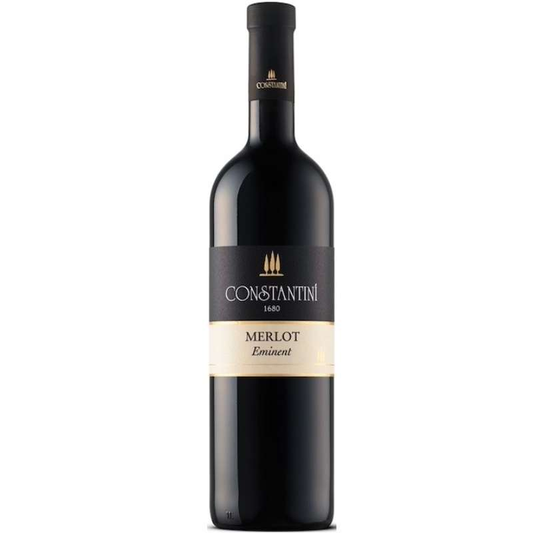
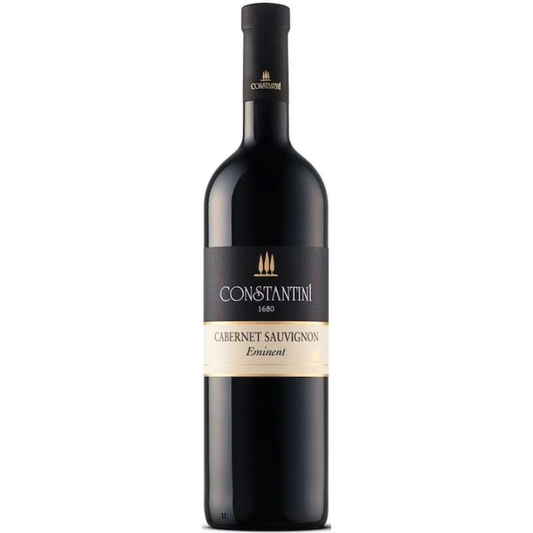
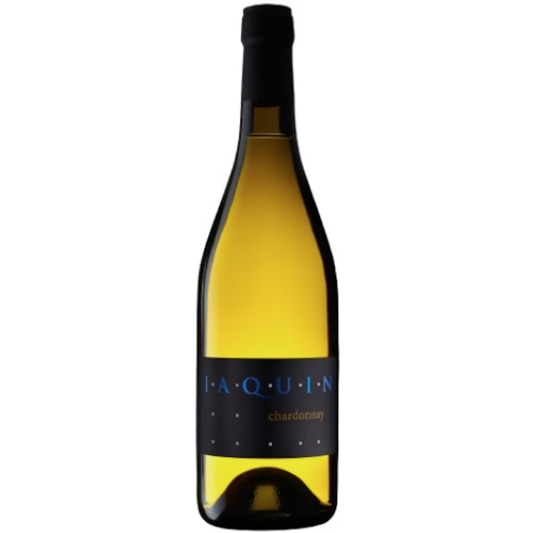
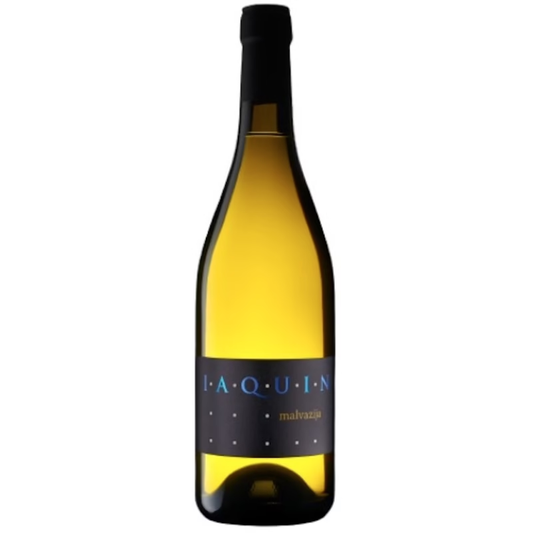
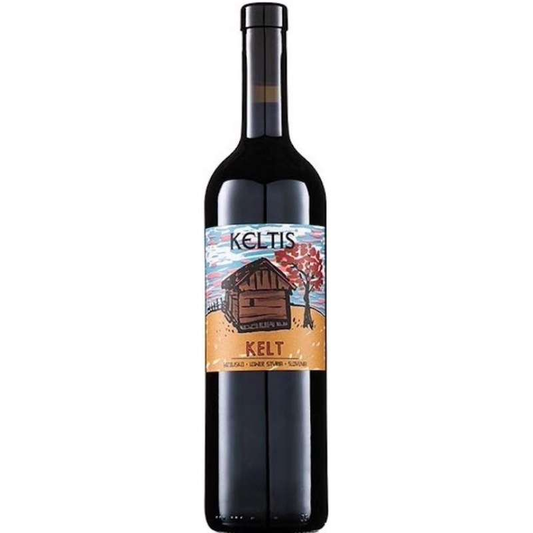
Then there’s shape, which is where the French really went to town. Burgundy bottles have soft, sloping shoulders, like a relaxed aristocrat. Bordeaux bottles are upright and square-shouldered, as if they’ve been to military school. Alsace bottles are long and thin, like the necks of the people who designed them. Champagne bottles are thick and heavy to contain the pressure—those things hold more stress than a tax auditor in April.
The shapes started as regional quirks - different glassmakers, different tools, different aesthetics - and somehow turned into global signals. A tall, proud bottle with broad shoulders whispers Cabernet. A gently curved one suggests Pinot Noir. And if it’s oddly squat or covered in dust, it’s either a dessert wine or a mistake.
Of course, none of this changes what’s inside. The shape doesn’t make the wine better; it just tells a story, the way handwriting reveals a personality. Some winemakers play along with the tradition, others rebel and bottle Riesling in Bordeaux glass just to watch people squirm.
In the end, wine bottles are the costumes the liquid wears to the party. Some are tailored, some are ridiculous, and a few are legendary. But once the cork is out, the show is over—and you’re back to what really matters: what’s in the glass.
So yes, bottle types and sizes are “about” something. They’re about heritage, chemistry, and human need for meaning. But mostly, they’re about how far we’ll go to make simple pleasure look complicated.
Or maybe we enjoy making it complicated? Maybe wine is really about the art of complication as pleasure. The joy of rituals, quirks, and pointless precision. We don’t decant, swirl, sniff, and debate over wine because we have to; we do it because there’s something deeply satisfying about turning a simple sip into a little performance.
Maybe that’s what humans do when they love something - they build myths around it, invent new words for the same feeling, and pretend the size of the bottle means more than it does.