Razlaga mediteranske prehrane: Preprosto nehajte jesti smeti
Deli
Tukaj je razlaga mediteranske prehrane za ljudi, ki ne marajo dolgih besed in znanstvenih izrazov. Seveda je ne bodo prebrali (samo zato, ker nikoli ničesar ne berejo), vendar upamo, da jim bo kdo pomagal. Poskušali bomo razložiti tako preprosto, da bodo razumeli tudi uporabniki TikToka.
Mediteranska prehrana je v bistvu način, kako so se ljudje po Sredozemlju prehranjevali, preden so se pojavili hitra hrana, tovarniški prigrizki in marketinški oddelki.
Večinoma so jedli rastline. Veliko zelenjave, sadja, fižola, oreščkov in polnozrnatih žit. Meso je bilo redko in običajno v majhnih porcijah. Ribe so se pojavile včasih. Rdeče meso je bilo posebna priložnost, ne življenjski slog. Mlečni izdelki so obstajali, vendar večinoma v obliki sira ali jogurta, ne pa v vedrih mlečnih napitkov.
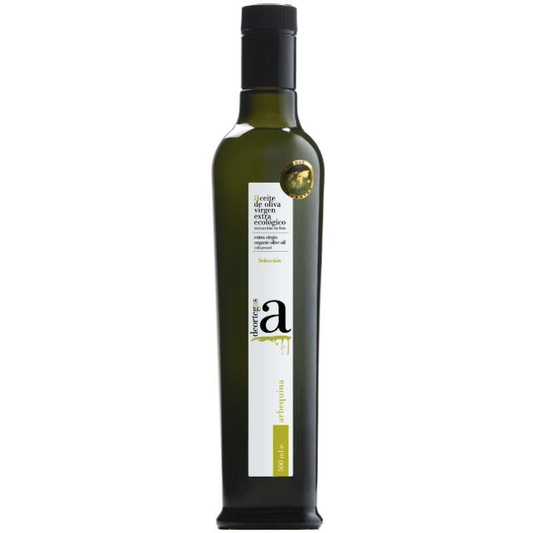
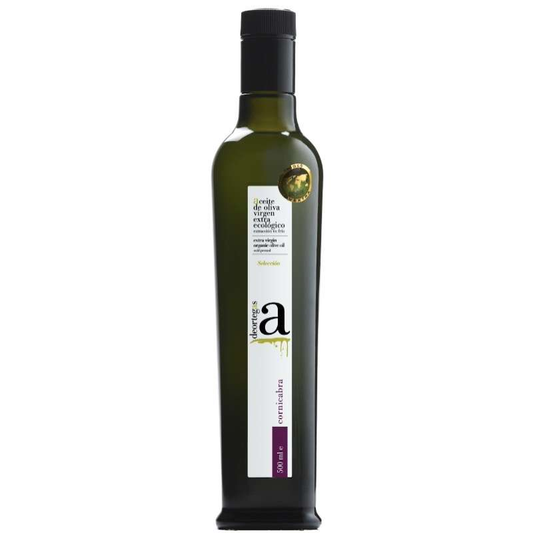
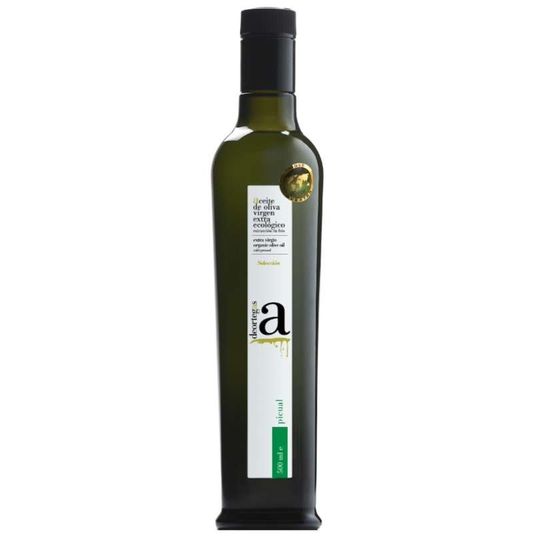
Olivno olje je bila glavna maščoba. Ne maslo. Ne margarina. Ne skrivnostna olja. Olivno olje. Veliko so ga uporabljali in to je v redu, ker je bolj zdrava maščoba.
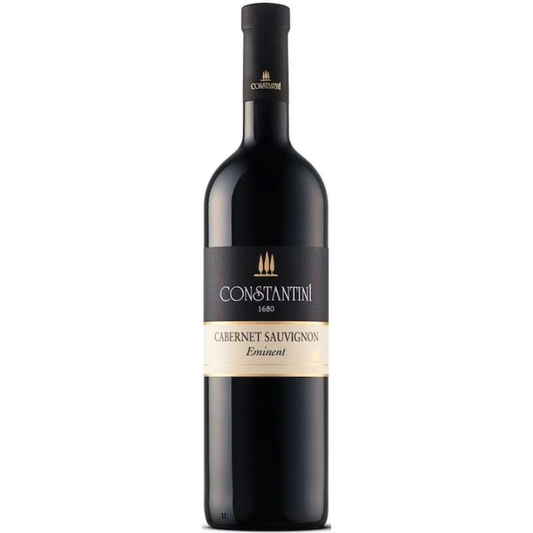
Ljudje so včasih pili vino , ponavadi med jedjo, in ne zato, da bi se napili. Če niso pili, je bilo tudi v redu. Prekomerno pitje ni bilo nikoli smisel.
Tega načina prehranjevanja niso zasnovali znanstveniki. Zgodilo se je, ker so bili ljudje revni, hrana je bila lokalna in nihče ni jedel ultra predelane nezdrave hrane. Po naključju se je izkazalo, da je zelo dober za človeško zdravje.
Ko so znanstveniki končno preučevali te ljudi, so opazili nekaj pomembnega: imeli so manj srčnih napadov, manj kapi , manj sladkorne bolezni, manj raka in živeli so dlje. Ne zaradi ene same čarobne hrane, temveč zaradi celotnega vzorca.
To ni dieta z nizko vsebnostjo maščob. To ni dieta z nizko vsebnostjo ogljikovih hidratov. To je dieta tipa "nehajte jesti smeti in jejte pravo hrano".
Koristi ne izvirajo iz zmanjšanja kalorij ali obsedenosti s hranili. Izhajajo iz uživanja pretežno rastlin, uporabe zdravih maščob, izogibanja predelani nezdravi hrani in ne pretiravanja z mesom in sladkorjem.
Različne države jedo nekoliko različne različice te diete in to je v redu. Ni enega popolnega mediteranskega menija. Ideja je pomembnejša od natančnih sestavin.
Ko raziskovalci ocenijo, kako natančno se ljudje držijo te diete, tisti, ki se je držijo bolj pogosto:
- umrejo manj pogosto
- imajo manj težav s srcem
- manj sladkornih bolezni
- imajo manjše tveganje za raka
- na splošno se bolje starajo
Nič presenetljivega.
Dieta najbolje deluje kot del življenjskega sloga: počasno prehranjevanje, kuhanje prave hrane, deljenje obrokov, gibanje in neobravnavanje hrane kot kemičnega poskusa.
Je jasno? Torej, nadaljujmo:
- Jejte večinoma rastline.
- Namesto masla in nezdravih olj uporabite olivno olje.
- Jejte manj mesa, zlasti rdečega in predelanega mesa.
- Včasih jejte ribe.
- Izogibajte se ultra predelani hrani.
- Pij vino samo, če želiš, in ne bodi neumna.
To ni zapleteno. Je le nemodno, ker nikogar ne obogati in ne prodaja čudežnih izdelkov.
Mediteranska prehrana ni čarovnija. Gre le za to, kar se zgodi, ko ljudje jedo kot ljudje in ne kot rakuni v avtomatu.
Vau, tisti otrok tam ima vprašanje! Kar daj, fant, ne bodi sramežljiv!
Dnevnik ... nisem čisto razumel ... no, jaz, jaz ... kaj je bilo to? ... no, kot, praviš "pred hitro hrano ... in to, nekakšne marketinške sranje" in vse to ... Kaj misliš? Kot dinozavri? Ali kasneje? Kdaj je bilo to? (Nato bomo povratne informacije naših udeležencev prevedli v normalen človeški jezik.)
No, mislim, da razumem, kaj me hočeš vprašati.
Vsekakor po dinozavrih in pred Doritos . Tukaj je zelo specifično okno in ne gre za starodavno zgodovino.
Ko raziskovalci govorijo o »tradicionalni« mediteranski prehrani, običajno mislijo na obdobje od konca 19. stoletja do petdesetih let prejšnjega stoletja , odvisno od države. Predstavljajte si obdobje pred letom 1960 kot čisto miselno mejo.
Tukaj je razlog, zakaj je ta datum pomemben.
Industrijska hrana, kot jo poznamo, je izum po drugi svetovni vojni. Po štiridesetih in petdesetih letih prejšnjega stoletja se je hkrati zgodilo nekaj velikih stvari:
- Tovarne hrane so se povečale.
- Poceni rastlinska olja so nadomestila tradicionalne maščobe.
- Hlajenje in prevoz s tovornjaki sta omogočila prevoz ultra predelane hrane kamor koli.
- Oglaševanje je ljudi naučilo jesti zaradi udobja in ne zaradi lakote.
- Rdeče meso je postalo poceni in vsakdanje namesto redko in občasno.
Pred to spremembo ljudje na mestih, kot so Kreta, južna Italija in podeželska Grčija, niso sledili "dieti". Jedli so le tisto, kar je obstajalo lokalno in cenovno dostopno.
Tipične razmere okoli leta 1900–1955 :
- Brez verig hitre prehrane.
- Brez pakiranih prigrizkov, zasnovanih tako, da povzročajo odvisnost.
- Brez gaziranih pijač kot vsakodnevne navade.
- Zelo malo predelanega sladkorja.
- Meso je bilo drago.
- Olivno olje je prihajalo iz bližnjih dreves, ne iz plastičnih steklenic z neumnimi slogani.
- Ljudje so veliko hodili, ker avtomobili niso bili pogosti.
Znanstveniki so v petdesetih letih prejšnjega stoletja opazili nekaj nenavadnega: te populacije so imele veliko nižje stopnje srčnih bolezni kot kraji, kot so ZDA in severna Evropa, čeprav niso jedli hrane z nizko vsebnostjo maščob in niso šteli kalorij.
To opažanje je sprožilo slavno študijo sedmih držav in vse, kar je sledilo.
Ko torej nekdo reče »pred hitro hrano in tovarniškimi prigrizki«, misli:
- Pred McDonald'som (1955).
- Pred Doritosom (1964).
- Pred policami supermarketov, polnimi užitnih kemikalij.
- Preden so se marketinški oddelki odločili, kakšen naj bo zajtrk.
Ne starodavno.
Ne srednjeveški.
Tik preden je industrijska hrana prevzela vsakdanje življenje .
Ironija je okusna: dieta ni bila izgubljena zaradi časa. Preglasili so jo udobje, dobiček in džingli.
Še eno vprašanje? Odlično!
Tako preprosto? Zakaj potem jemo vso to nezdravo hrano, se redimo, oslabimo in zbolimo? Kako smo končali v tem bednem smetišču?
No, veste, "preprosto" ne pomeni "lahko", in prav v tej vrzeli se skrivajo težave.
V to zmešnjavo nismo padli zato, ker bi ljudje nenadoma postali neumni ali leni. Padli smo, ker se je okolje spreminjalo hitreje kot naša biologija , nato pa so se močni sistemi naučili, kako to neskladje izkoristiti s kirurško natančnostjo.
Začnite z biologijo.
Vaši možgani so se razvili v svetu, kjer je bilo kalorij malo, sladkor redek, maščoba pa je pomenila preživetje. Ko se je pojavila hrana, je bila pravilna poteza: pojej jo, hrepeni po njej, zapomni si, od kod prihaja. Ti nagoni so čudovito delovali približno 200.000 let. Od takrat se niso posodobili.
Potem je prišla industrija.
Sredi 20. stoletja smo se naučili:
- Izdelava hrane neverjetno poceni, tudi za ceno izgube vlaknin in beljakovin.
- Koncentrirajte sladkor, sol in maščobo.
- Izdelajte teksture, ki se v trenutku raztopijo.
- Oblikujte okuse, ki vplivajo na dopamin kot igralni avtomat.
Tržite ga z risanimi maskotami otrokom, katerih možgani še niso končali.
To ni naključje. To je poslovni model.
Sodobna nezdrava hrana ni »slaba hrana«. Je hiperhrana – kalorije brez zavor, užitek brez sitosti, nagrada brez hrane. Ugrabi starodavne napeljave za preživetje in jih obrne proti vam. Vaši možgani mislijo, da so našli redek evolucijski dobitek. Tovarna je pravkar našla stalno stranko.
Nato pa še spremembe življenjskega sloga.
Nehali smo se premikati, ker to namesto nas počnejo stroji.
Nehali smo spati, ker se luči, zasloni in stres ne izklopijo.
Nehali smo kuhati, ker se je čas monetiziral.
Nehali smo jesti skupaj, ker se je življenje razdrobilo.
Začeli smo sedeti, brskati po spletu, prigrizkovati in se hkrati obremenjevati.
Nič od tega se ne ujema s telesom, ki je zasnovano za hojo, dvigovanje, post, žvečenje in počitek.
Zdaj pa pojdite na spodbude.
Zdravstvena oskrba večinoma zdravi simptome, ne vzrokov.
Živilska podjetja so nagrajena za količino, ne za zdravje.
Trženje nagrajuje pozornost, ne resnice.
Urbano oblikovanje nagrajuje avtomobile, ne nog.
Delo nagrajuje rezultate, ne dobrega počutja.
Ni potreben zlobni genij. Samo spodbude, ki delajo to, kar spodbude delajo.
Torej, rešitev je konceptualno preprosta:
Jejte pravo hrano .
Premakni svoje telo.
Spanje.
Nehajte jesti sladkor in se naslajati s stresom.
Ampak strukturno je težko , ker te sodobni svet ves dan, vsak dan, potihoma potiska v nasprotno smer, medtem ko ti šepeta, da je to tvoj osebni neuspeh.
To ni moralni zlom. Gre za sistemski problem, ki trči s strojno opremo iz kamene dobe.
Upanje pa je naslednje: telo je izjemno prizanesljivo. Ko ljudje spremenijo okolje – kakšno hrano imajo na voljo, kako so obroki strukturirani, kako se gibanje ujema z dnevom – si zdravje hitro opomore. Ne popolnoma. Ne čarobno. Ampak zanesljivo.
Nismo končali na tem smetišču, ker bi bili ljudje pokvarjeni. Prišli smo sem, ker smo zgradili svet, optimiziran za dobiček, hitrost in udobje – in nato prosili starodavna telesa, naj v njem uspevajo.
Razumevanje tega ni depresivno. Osvobajajoče je. Pomeni, da je problem rešljiv, del za delom, ne da bi se pretvarjali, da smo dinozavri ali svetniki.
Veš kaj, stari? Lahko pridigaš, kar hočeš, ampak eno si že povedal: takšna je naša narava in je ne moremo spremeniti. Torej nam nobena dieta ne bo pomagala. Vse, kar lahko storimo, je, da prepovemo kolo, čips in drugo nezdravo hrano. In uničimo vse te rastline za prehrano ljudi.
Razumem ta impulz. Ko vidiš namestljivo igro, se zdi obračanje mize racionalno.
Ampak v tem, kar si pravkar povedal, se skriva tih logični spodrsljaj, in to je pomembno.
»Da, to je naša narava« ne pomeni »deluje samo prepoved.« Pomeni, da okolje premaga voljo . To sta zelo različna sklepa.
Človeška narava je fleksibilna znotraj omejitev . Dopaminskega sistema ne moremo spremeniti, lahko pa spremenimo, na kaj je usmerjen. Zgodovina to vedno znova dokazuje.
Razmislite o nekaj primerih, ki niso povezani z dinozavri.
Kajenje.
Nikotin povzroča izjemno odvisnost. Človeška narava se ni spremenila. Spremenili so se le dostopnost, cena, oglaševanje, družbene norme in trenja. Stopnja kajenja se je strmoglavila, ne da bi bilo treba uničiti tobačne kmetije ali popolnoma prepovedati cigarete. Regulacija je delovala, ker je spremenila okolje.
Varnostni pasovi.
Ljudje se niso množično »izbrali za varnost«. Zakoni, zasnova avtomobilov in privzete nastavitve so silili k varnejšemu vedenju. Število smrtnih žrtev se je zmanjšalo. Narava se je ohranila.
Svinčena barva in svinčeni bencin.
Ljudem nismo pridigali, naj bodo nevroni pametnejši. Iz okolja smo odstranili toksin. IQ se je zvišal. Kriminal se je desetletja pozneje zmanjšal. Ni bilo treba uporabiti nobene moči volje.
Zdaj pa hrana.
Nezdrava hrana je uspešna, ker je poceni, vseprisotna, agresivno tržena in zasnovana tako, da se izogne sitosti. To je okoljski problem, ne moralni. Za njegovo rešitev niso potrebne prehranske pridige ali uničenje tovarn požgane zemlje.
Obstaja srednja pot, ki dejansko deluje v resničnem svetu:
Naj bo nezdrava hrana dolgočasna, draga, neprijetna in neglamurozna.
Naj bo prava hrana poceni, vidna, privzeta in enostavna.
Omejite trženje na otroke.
Obdavčite hiperpredelane sladkorne bombe tako, kot obdavčujemo cigarete.
Spremenite šolsko hrano, hrano na delovnem mestu in hrano v bolnišnicah.
Spremeni privzete nastavitve, ne duše.
Ko se okolje spremeni, se vedenje samodejno spremeni. Ljudje v petdesetih letih prejšnjega stoletja niso nenadoma postali krepostni Mediteranci. Jedli so tisto, kar je bilo normalno, dostopno in cenovno dostopno. V tem je ves trik.
Tvoj nagon "prepovedati vse" kaže na resnično resnico: individualna izbira je precenjena, ko so sistemi sovražni . Pretirava, če predpostavimo, da je edini vzvod prepoved in uničenje. To ponavadi ustvarja črne trge, odpor in politične imunske odzive, ki stvari še poslabšujejo.
Cilj ni izboljšati ljudi.
Cilj je prenehati usmerjati industrijske stroje v njihova najbolj krhka nevronska vezja.
Narava nas ne obsoja.
Slabe spodbude in nenadzorovan obseg to počnejo.
Ko to enkrat vidiš, problem neha izgledati kot moralni križarski pohod in začne izgledati kot infrastruktura, politika in oblikovanje – kar je tisto, na čemer so ljudje pravzaprav precej dobri, ko se tako odločijo.
Ja, morda ... Kakorkoli že, bolj zabavno bi bilo razstreliti vso to sranje!
Ta želja ima čustveni smisel. Predstavljati si velik rdeč gumb z napisom »KONEC KORUZNEMU SIRUPU« in zadovoljiv pok ima določeno risano jasnost. Prvinsko, filmsko, katarzično.
Ampak tukaj je tisti piflarski del – izrečen z naklonjenostjo.
Razstrelitev stvari se zdi mogočna, ker je hitra, vidna in dramatična . Žal sistemi ne delujejo tako. Regenerirajo se kot hidre. Razstreliš eno tovarno nezdrave hrane, tri se pojavijo nekje drugje z boljšimi odvetniki in nalepko "naravno" na škatli.
Pravi vzvod je tišji in, odkrito povedano, bolj zahrbten.
Naj bo smeti dolgočasne.
Naj bo drago.
Naj bo družbeno nekul.
Naj otroci nikoli ne vidijo oglasov za to.
Naj bo prava hrana privzeta možnost, v katero se ljudje brez razmišljanja odločijo.
To ni manj agresivno – bolj strateško je. To je kot judo namesto prebijanja mavčnih plošč. Ne boriš se proti človeški naravi; preusmeriš jo.
Tukaj je tudi zabavna zgodovinska ironija: sredozemska prehrana je »zmagala« brez nasilja, ideologije ali manifestov. Zmagala je, ker je bila okusna, normalna in vpletena v vsakdanje življenje. Olivno olje je tisočletja premagalo industrijsko blato preprosto zato, ker je obstajalo v kuhinjah namesto v tovarnah.
Torej, ja - razstreljevanje stvari bi bilo čustveno zadovoljivo za približno dvanajst minut. Nato se dobavne verige prilagodijo, blagovne znamke preimenujejo in kaos se vrne v oblačilih s kapuco z dobrim počutjem.
Resnično neumna poteza je tale:
zgraditi svet, kjer nezdrava hrana še vedno obstaja , a izgubi svoj vpliv, ker ni več poceni, glasna ali povsod.
Tako razstaviš sistem, ne da bi prižgal varovalko – tako, da mu odvzameš pozornost, dobiček in status neplačnika.
Revolucije, ki trajajo, so od blizu videti dolgočasne. Kar je zelo nepošteno, a hkrati tudi razlog, zakaj delujejo.
Čeprav ... se je težko ne strinjati s tabo: razstreljevanje tega prekletega sranja je res veliko bolj zabavno!