Chardonnay
Deli
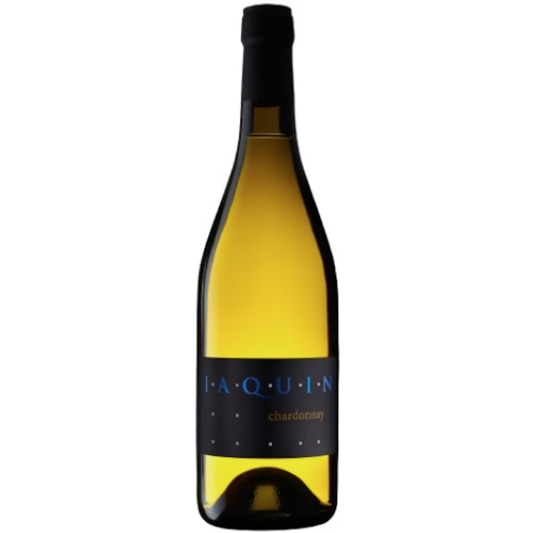
Chardonnay is one of the world’s most widely planted and versatile white grapes, with its origins in Burgundy, France. Thought to be a natural cross between Pinot Noir and Gouais Blanc, the grape likely takes its name from the stony soils of its original vineyards. Burgundy remains its spiritual home, with Chablis producing crisp, mineral-driven wines and Meursault known for richer, buttery expressions, while Champagne relies on Chardonnay for elegance and finesse in its sparkling wines.
The grape thrives globally, adapting to a range of climates and soils. California, Australia, New Zealand, and South Africa all produce distinct styles, from unoaked and citrusy to full-bodied, tropical, and oak-aged. Chardonnay’s small, relatively neutral berries allow winemakers to shape the wine’s character, with oak aging adding layers of vanilla, toast, and buttery notes. Its mid-to-late ripening makes harvest timing important, influencing flavor and structure.
In the glass, Chardonnay can be anything from bright and refreshing to rich and opulent. High acidity gives it structure and aging potential, while its flavor can span green apple, pear, citrus, and mineral notes to tropical fruits and vanilla depending on the winemaking approach. This adaptability has made Chardonnay a global favorite, capable of expressing both its terroir and the winemaker’s style.