Mediteranska dieta: Kako jesti kot razumen človek
Deli
Mediteranska dieta je tisto, kar se zgodi, ko zdrav razum zaide v kuhinjo, si natoči nekaj olivnega olja in noče oditi. Vljudno predlaga, da jeste rastline, uživate v hrani in nehate pretvarjati, da je maslo zelenjava. Zelenjava, sadje, fižol, polnozrnata žita – to niso stranski liki, temveč zvezde predstave. Ekstra deviško olivno olje je kronano za monarha, ki nežno vlada solatam, ribam in vsemu drugemu, kar je dovolj modro, da sprejme njegovo avtoriteto.
Sumljivo prijeten način, da ostanete dlje živi
Glede na desetletja raziskav in več milijonov babic ta način prehranjevanja zmanjšuje možnosti, da bi si vznemirili srce, poškodovali arterije ali presenetili zdravnika. Ne zahteva kaloričnih preglednic, kuhinjskih tehtnic ali duhovne predanosti. Od vas zahteva le, da jeste kot razumen človek.
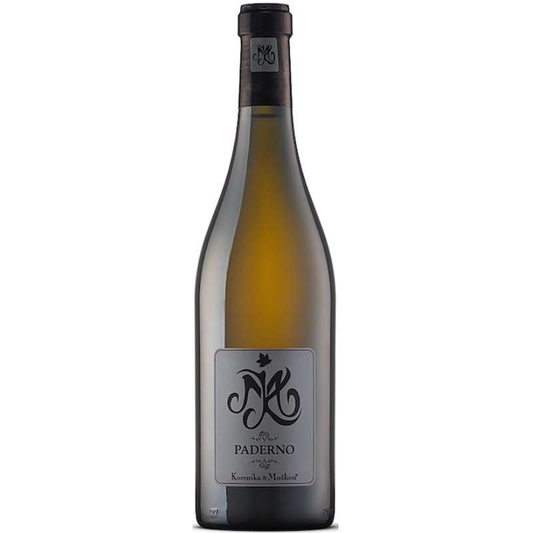
Rdeče meso se pojavlja redko, kot daljni sorodnik, ki ga prenašate na praznikih. Sladkor jemljete z nezaupanjem. Maslo vljudno pospremite ven. Ribe se pojavljajo redno, oreščki so dobrodošli, stročnice so pohvaljene, vino pa je dovoljeno – čeprav le v civiliziranih količinah in le, če ga že uživate. Dieta ne spodbuja začetnikov k pitju zaradi zdravstvenih razlogov, kar je osvežujoča iskrenost v svetu, ki bo prodal karkoli.
Zakaj nobeno živilo ne dobi medalje
Ta prehranjevalni vzorec je postal znan, ko so raziskovalci opazili, da ljudje v nekaterih sredozemskih državah živijo dlje in bolj zdravo, hkrati pa nekako uživajo v obrokih. To je zmedlo sodobno družbo, ki je delovala po teoriji, da užitek in zdravje nikoli ne smeta biti v istem prostoru.
Seznam koristi je dolg in impresiven, takšen povzetek, zaradi katerega bi bile druge diete neprijetne. Nižje tveganje za srčne bolezni , boljši holesterol, stabilnejši krvni sladkor, bolj zdrava teža, srečnejše črevesne bakterije, počasnejše staranje možganov in daljše življenje na splošno. Ne zaradi ene same čarobne sestavine, ampak zato, ker živila delujejo skupaj kot dobro uigrani zbor. Brez solistov, samo harmonija.
Hrana je bila vljudno prosjena, naj odide
Tudi mediteranska dieta ima svoja mnenja. Transmaščob sploh ne mara. Nasičene maščobe prenaša le v majhnih, sprejemljivih količinah. Ne odobrava prekomerne soli, rafiniranih ogljikovih hidratov in živil, ki so bila predelana v tovarni in ne vzgojena, pobrana ali vljudno kuhana. Vlaknine in antioksidanti pa so cenjeni zaradi tega, ker ohranjajo vnetja nizka in telesne sisteme delujejo brez težav.
Kar se tiče prehrane, je nasvet hkrati radodaren in rahlo obsojajoč. Jejte veliko sadja in zelenjave. Izbirajte polnozrnata žita namesto belega kruha, ki je pozabil, od kod prihaja. Namesto živalskih maščob uporabljajte olivno olje. Redno jejte ribe. Uživajte oreščke, fižol, jogurt in sir v zmernih količinah. Sladice prihranite za posebne priložnosti, po možnosti doma pripravljene in po možnosti ne v obliki risanih junakov.
Obroki, ki se počutijo kot hrana namesto kazni
Načrtovanje obrokov po tem sistemu je osvežujoče razumno. Zajtrk lahko vključuje oves, jogurt, sadje ali jajca z zelenjavo. Kosilo so lahko žitne solate, pečena zelenjava ali ribe. Večerja lahko vključuje stročnice, perutnino ali morske sadeže z dovolj barvitimi sestavinami, da vas prepričajo, da so bile vpletene rastline. Prigrizki so sadje, oreščki, jogurt ali občasen košček temne čokolade – dovolj temne, da se pretvarja, da je zdravilo.
Ni prepovedane hrane, so le hrana, za katero dieta ne bi želela, da bi jo jedli. Sladkane pijače, predelano meso, rafinirani ogljikovi hidrati in močno soljeni ali industrijsko predelani izdelki naj bi tiho zbledeli v ozadje.
Ni pomembno samo to, kaj jeste, ampak kako živite
Tudi življenjski slog je pomemben. Vabljeni ste, da se gibljete, jeste z drugimi, kuhate pogosteje kot naročate hrano za s seboj in se izogibate kajenju – radikalen nasvet, ki nekako ostaja relevanten. Dieta se zlahka prilagodi vegetarijanskim ali brezglutenskim preferencam, saj je dovolj prilagodljiva, da prepozna, da ljudje nismo enaki stroji.
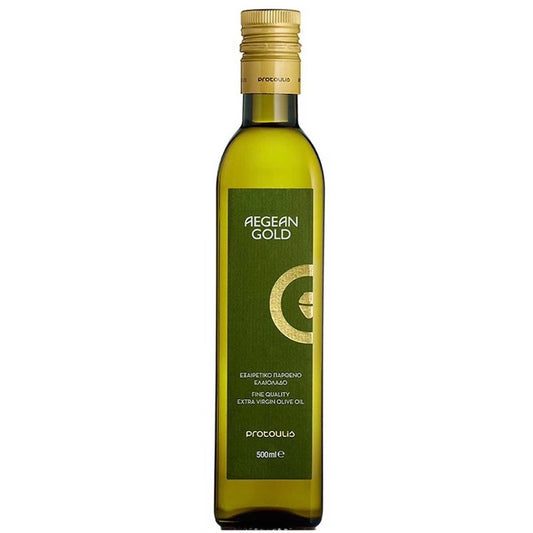
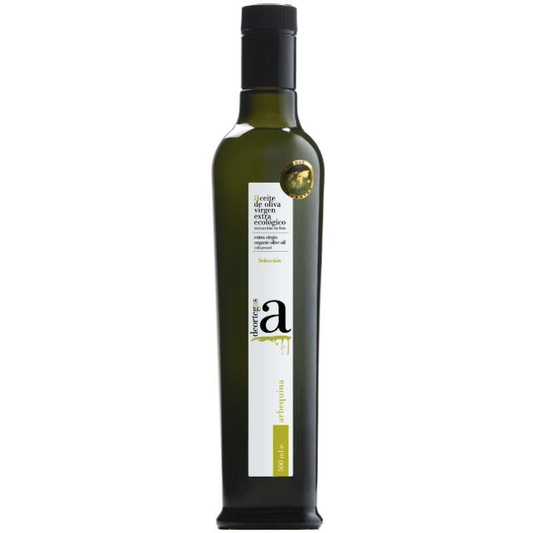
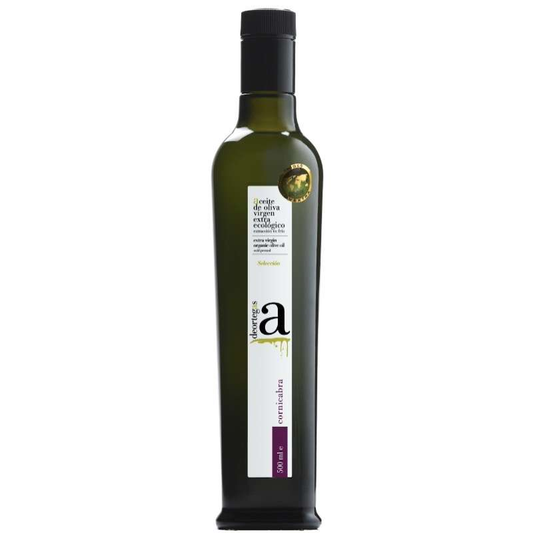
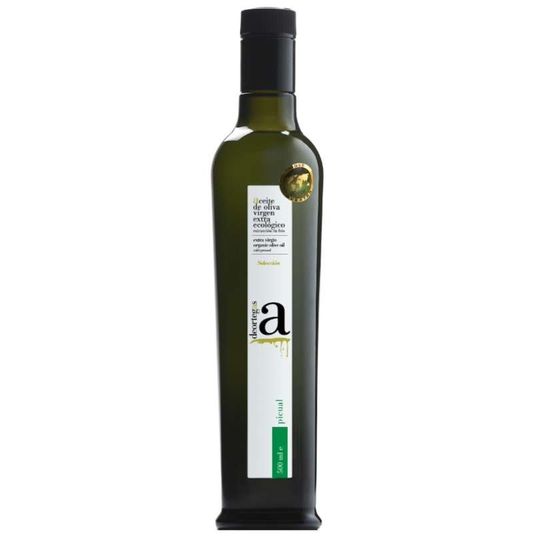
Še zadnja opomba o olivnem olju: niso vse steklenice vredne tega imena. Ekstra deviško oljčno olje je pravo, bogato z zdravimi maščobami in antioksidanti, medtem ko vse ostalo , kar se poskuša izdajati za pravo ekstra deviško oljčno olje, vzbuja vztrajen občutek gnusa, ki ga včasih spremlja tudi želja po bruhanju. Torej, ekstra deviško pomeni natanko to, kar piše.
Navsezadnje je mediteranska dieta manj dieta in bolj opomnik. Jejte pravo hrano. Uživajte v njej. Delite jo. Ne komplicirajte preveč. In morda poslušajte ljudi, ki to uspešno počnejo že generacije, namesto najnovejšega čudežnega načrta, ki kriči z oglasnega panoja.