Why Red Wine Gets All the Credit: The Myth, the Molecules, and the Moment Between Sips
Aktie
Every few months someone dusts off the old myth that red wine is basically medicine — that a couple of glasses a day will fix your heart, lengthen your life, and maybe even make you interesting. The headlines pop up like mushrooms after rain: “Science Says Red Wine Is Good for You!” Then three weeks later: “Actually, No.” And yet the story never dies, because we want it to be true. We want to believe that something which feels this good might also be doing us a favor.
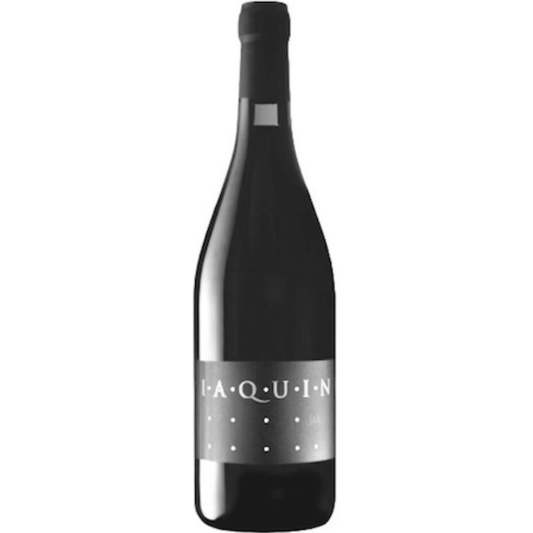
Here’s the sober truth, dressed in a nice suit: the health “benefits” of red wine exist, but only in the way a single candle helps during a power outage — not much, but it’s something. The main reason red wine gets the halo is chemistry. When red grapes are fermented with their skins (unlike white ones), they release polyphenols — those noble-sounding plant compounds that include resveratrol, flavonoids, and tannins. These things act as antioxidants, scavenging free radicals, reducing inflammation, and making scientists feel like heroes. In theory, that translates to better cardiovascular health, lower cholesterol, and maybe some longevity magic.
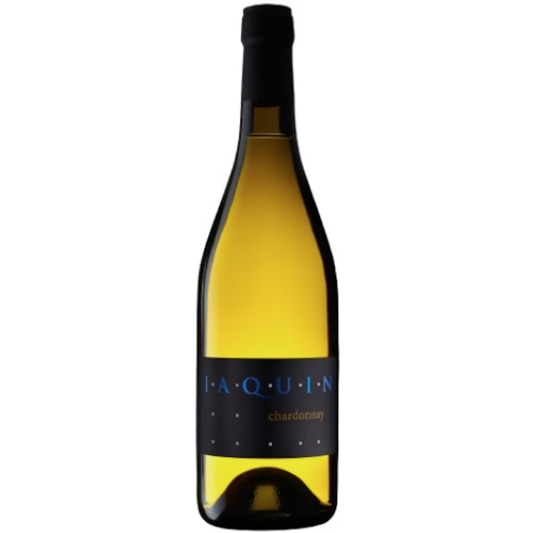
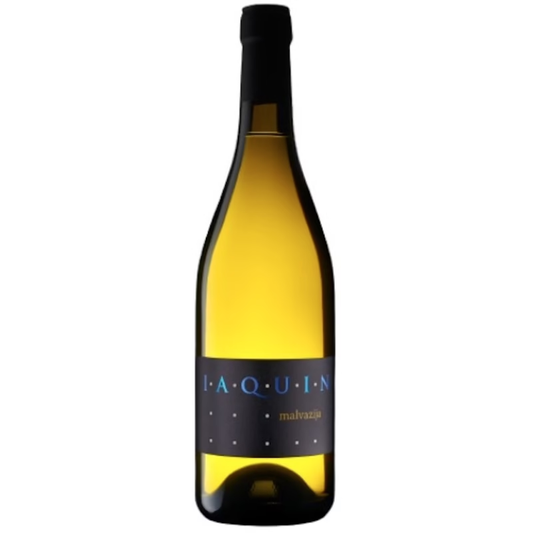
White wine doesn’t get the same press because it’s made without all that skin contact. The juice goes straight from grape to glass, leaving behind most of those compounds. It’s cleaner, crisper, lighter — wonderful in its own right, but nutritionally speaking, it’s red’s paler cousin. The skins are where the grit, the depth, the character — and yes, the health claims — live.
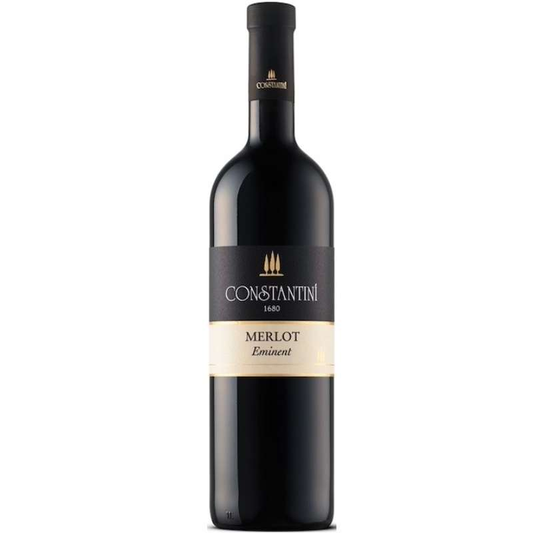
Now, before you start calling your Merlot a multivitamin, remember that dose matters. The polyphenols that make red wine sound saintly appear in small amounts. You’d have to drink dozens of glasses a day to reach the levels used in lab studies, at which point your liver would throw up its resignation letter. The “benefit” is more about balance: people who drink moderate amounts of wine often do so with food, in company, slowly — which, by itself, might be the real health factor.
And there’s the psychological side, too. Wine slows things down. It tells your nervous system to take the evening off. It turns dinner into a ritual instead of a refueling stop. That’s not science, but it’s not nonsense either.
So yes, red wine carries a few molecular advantages over white — it’s got more body, more complexity, and more of the stuff that makes scientists shrug and say, “well, maybe.” But if you’re drinking it for your health, you’ve missed the point. Wine doesn’t exist to fix you. It exists to remind you that you’re human — flawed, fragile, and still capable of joy.
Sir, I have question! How many polyphenols do red and white wines contain? And how much do we need daily?
Excellent question — finally, someone asking how much instead of just believing! Let’s pull the cork on this one properly.
Red wine contains roughly 1,000 to 4,000 milligrams of total polyphenols per liter, depending on the grape variety, winemaking style, and how much time the wine spent in contact with the skins and seeds. Heavier reds like Cabernet Sauvignon, Syrah, or Tannat sit near the top of that range; lighter wines like Pinot Noir hover lower.
White wines, on the other hand, usually have 10 times less — somewhere around 200 to 400 milligrams per liter. That’s because the skins (where most polyphenols live) are discarded before fermentation, leaving only trace amounts in the juice.
Now, the famous “healthy compound” everyone talks about — resveratrol — is just one of those polyphenols, and it’s present in almost laughably tiny amounts. A typical glass of red wine (150 ml) contains about 0.2 to 2 milligrams of resveratrol. For comparison, many lab studies that showed benefits used doses equivalent to 100 to 1,000 milligrams per day — the kind you’d only get from a supplement bottle the size of a brick.
As for how much polyphenol intake we actually need, the picture is fuzzy. Nutritionists often suggest that a diet rich in fruits, vegetables, tea, and dark chocolate provides 500 to 1,500 milligrams of polyphenols per day, which seems to promote general cardiovascular health. You can easily reach that by eating a handful of berries, an apple, or drinking a cup of coffee — no wine required (though it’s arguably less fun).
So let’s do the math: one glass of red wine might give you 150–600 mg of polyphenols. That’s not nothing — it’s a small contribution to your daily antioxidant pool — but it’s nowhere near a therapeutic miracle. And if you try to make wine your main source, you’ll have to drink enough to meet the angels personally.
In short:
- Red wine: a decent supporting actor in your antioxidant story.
- White wine: a cameo appearance, charming but brief.
- The real heroes: your vegetables, your coffee, your dark chocolate, and a life lived without hurry.
Wine, as always, should be for pleasure first — the science just gives us one more reason to enjoy it without pretending it’s kale in disguise.