How to Tell Good Wine from Something Similar
Aktie
Distinguishing between good wine and so-so drink doesn’t require a sommelier’s expertise. You don’t need a diploma in oenology or a scarf knotted just so — just a bit of attention, a working nose, and the willingness to trust your own taste over someone else’s vocabulary. Wine, after all, isn’t a riddle wrapped in a cork; it’s a story in liquid form, and bad stories tend to reveal themselves fast. With a few simple tips, anyone can elevate their wine-tasting experience. Here’s a straightforward guide to help you discern the difference between a stellar bottle and a forgettable one.
Color Matters
Begin by observing the wine’s color. Hold your glass against a white background and take note of its hue. Good wine has a certain calm to it — a uniform glow, a sense of visual honesty. Younger reds are vibrant; older ones deepen. Whites may darken with age. But if it looks murky or uncertain, like something that escaped a biology lab, take the hint.
Swirl and Sniff
Swirling the wine isn’t just theatre. It releases the aromas, the wine’s opening monologue. Inhale gently. A good wine smells alive — layered, expressive, changing every second. A bad one smells like it’s already given up on impressing anyone. If you catch whiffs of vinegar, wet cardboard, or something you’d rather not identify — the romance is over before it began.
Consider the Legs
Swirl again and observe the “legs” or “tears” that form on the glass. They don’t predict greatness, but they hint at texture and alcohol content. Slower, defined legs can suggest body — not necessarily quality, but at least confidence. Think of it as posture: relaxed but upright.
Taste with Purpose
Now, the truth test. Take a sip, not a ceremonial one — a thoughtful one. Let it move around your mouth. Good wine has rhythm: acidity dancing with fruit, tannins keeping time, alcohol humming discreetly in the background. A bad one? Either flat as water or noisy as a brass band.
Check the Balance
Balance is everything. In great wine, no single element — sweetness, acidity, tannin — hogs the spotlight. They all take turns speaking. When it’s off-balance, you’ll know: your mouth will wince, and your brain will politely suggest switching to beer.
Consider the Finish
The finish is what the wine whispers after you swallow. A good one lingers like a satisfying thought; a bad one slams the door and leaves you wondering what went wrong.
Understand the Grape Variety
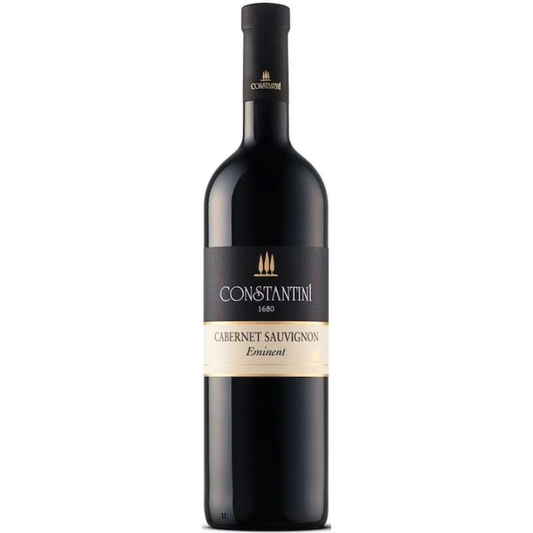
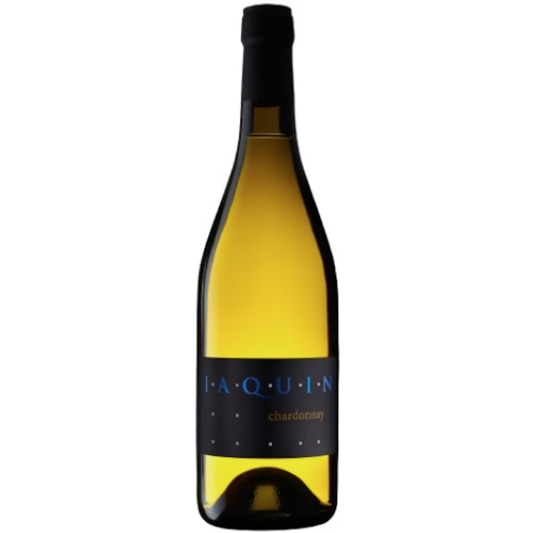
Different wine grape varieties have distinct characteristics, and every grape has a personality. Cabernet Sauvignon likes to make an entrance; Chardonnay can be soft or bombastic depending on who raised it; Pinot Noir is sensitive and expressive but moody. Knowing these tendencies helps you tell whether the wine is true to its nature or just pretending.
Research the Producer
A reputable producer is like a good author — even their average work is interesting. Learn the names that care about their craft. Forget the ones that sound like toothpaste brands.
Actually, this should have been done right away, but better late than never. Distinguishing good wine from mediocre doesn’t have to be daunting. By paying attention to color, aroma, taste, and other small signs of honesty, you can confidently select wines that actually want to be good.
Remember, practice makes perfect. The more you taste, the more your tongue becomes a library. So open bottles, make mistakes, and keep tasting. One day, you’ll swirl, sniff, and smile — not because you read how to, but because you get it. Cheers.