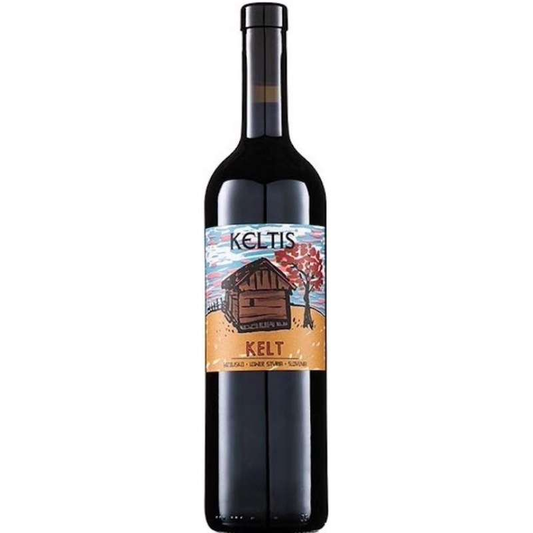
Cabernet Sauvignon
Aktie
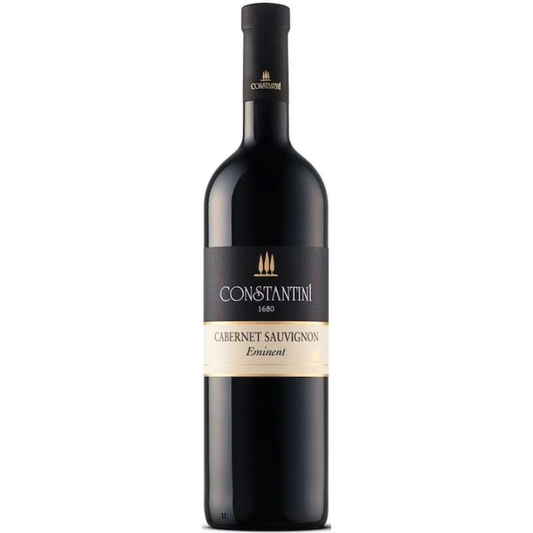
Cabernet Sauvignon is one of the world’s most recognizable wine grapes, with its roots firmly planted in Bordeaux. It emerged in southwestern France as a natural crossing of Cabernet Franc and Sauvignon Blanc and rose to prominence in the 17th century. On Bordeaux’s Left Bank, especially in places like Pauillac, Margaux, and Saint-Estèphe, Cabernet Sauvignon became the backbone of some of the region’s most famous wines, thanks in part to gravelly soils that suit the grape perfectly.
From Bordeaux, Cabernet Sauvignon went global. Today it’s grown just about everywhere serious red wine is made, from Napa Valley and Sonoma to Tuscany, Coonawarra, and Chile’s Maipo Valley. The vines are hardy and adaptable, with small, thick-skinned berries that help the grape handle a wide range of climates while still delivering consistent structure and intensity.
In the glass, Cabernet Sauvignon is known for its depth and confidence. Typical flavors include blackcurrant, black cherry, and plum, often layered with notes of herbs, mint, or green pepper depending on climate and ripeness. Tannins are a defining feature: firm, sometimes grippy when young, and built for aging. With time, those tannins soften and the wine develops complexity, which is why top examples can evolve gracefully for decades and why Cabernet remains a global benchmark for serious red wine.