Exploring the Major Grape Varieties
Share
The world is full of grape varieties - thousands of them, all busy fermenting themselves into oblivion somewhere. Yet, like actors at a repertory theater, only a few dozen ever get the starring roles. Some are universal celebrities, planted on every continent short of Antarctica, while others are eccentric local legends known only to their village and a handful of wine geeks with notebooks. For the ordinary wine lover - or even the professional one - the trick is knowing the main characters, the grapes whose voices you’ll hear again and again when you raise a glass.
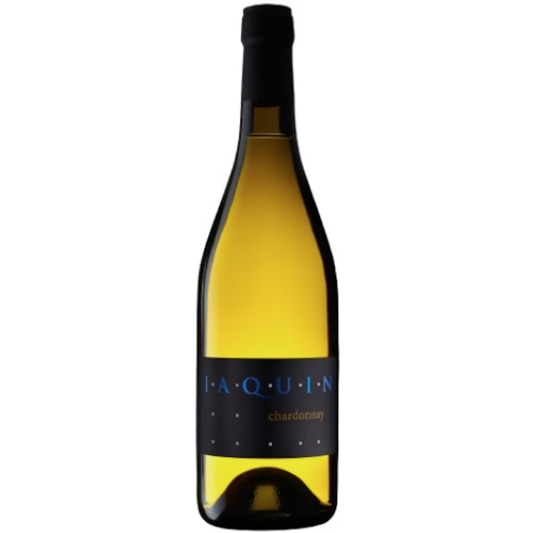
Take Chardonnay, the blank canvas of the wine world. In Chablis, it’s all lemon and oyster shell, austere as a monk’s cell. In California, it turns buttery, tropical, sometimes as flamboyant as a Broadway star in sequins. The grape itself is pliable, like an actor who can play Hamlet one year and a cowboy the next.
Then there’s Sauvignon Blanc, eternally zesty, grassy, sometimes smelling like gooseberries, sometimes like a cat has been careless in the garden (a flaw to some, a thrill to others). From the Loire Valley it’s flinty, nervous; from New Zealand it’s all citrus fireworks; from Bordeaux it hides in blends, adding brightness like a squeeze of lemon over fish.
Riesling is the darling of sommeliers, though often misunderstood by civilians. It runs the gamut from bone-dry to honey-sweet, but always carries its high-strung acidity like a tuning fork. Young Riesling smells of lime and flowers; with age, it develops the famous (or infamous) note of petrol, as if your glass has been parked at a gas station.
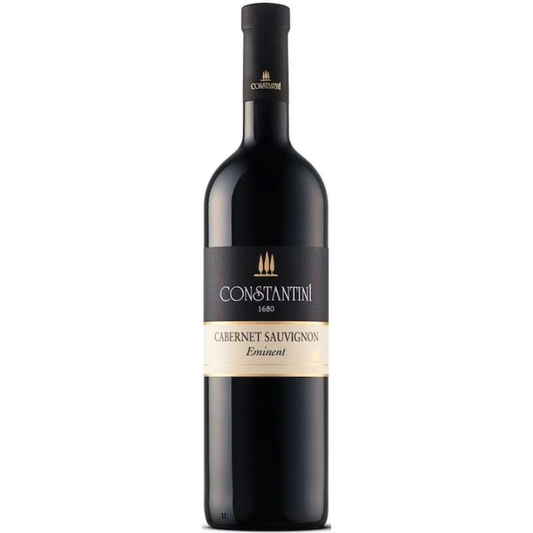
On the red side, Cabernet Sauvignon is the emperor, tannic and powerful, a grape that struts with blackcurrant, cedar, sometimes green bell pepper. In Bordeaux it partners with Merlot, its softer, plumper sibling, together forming the world’s most famous blends. Merlot alone is plush, round, sometimes derided as too easygoing, but when it hits right (think Pomerol), it’s velvet in a glass.
Pinot Noir is the opposite of Cabernet: thin-skinned, fragile, temperamental. Yet it’s capable of transcendent wines that smell of cherries, violets, forest floor. Burgundy is its cathedral, Oregon its promising annex, New Zealand its upstart colony. When Pinot fails, it’s watery and sad; when it succeeds, it’s a sonnet.
Syrah, or Shiraz if you want the Australian accent, ranges from Northern Rhône pepper and smoke to Barossa Valley jam and chocolate. It’s a grape that loves drama, capable of brooding intensity or lush generosity depending on its stage.
Other names deserve mention: Grenache with its strawberry charm and Mediterranean warmth; Tempranillo, the backbone of Rioja, mixing red fruit with leather and spice; Nebbiolo, the austere Italian aristocrat, with tannins like iron bars and aromas of roses and tar; Sangiovese, the heart of Chianti, lively with sour cherry and herbs.
Knowing these varieties is like learning the major chords in music. Once you’ve got them, you can follow the tune of almost any wine list. The rest - the rare grapes, the odd local specialties - are delightful variations, but the big names give you a map. And wine, after all, is nothing if not a long, rambling journey.