Mediterranean Diet Shopping List: Your Key to Health and Flavor
Share
Somewhere behind the endless parade of wellness influencers and the aisles of gluten-free cauliflower substitutes, there’s a diet that’s been quietly sitting at the grown-ups’ table for thousands of years. It’s not a cleanse, not a “reset,” and definitely not an Instagram challenge. It’s a way of eating that’s as old as olive groves and as ordinary as bread.
The Mediterranean Diet: A Lifestyle, Not a Lifestyle Brand
We call it the Mediterranean diet. But calling it a “diet” at all feels like missing the point. This isn’t about restriction or calorie math. It’s about a rhythm of eating and living — meals that make sense not because they promise transformation, but because they’ve stood the test of centuries, even millennia.
At its heart, the Mediterranean diet is less a program than a pattern: whole foods, slow meals, shared tables, and an unapologetic love for olive oil. Love? No! "Obsession" is the right word. When you sit down with us, get ready for a long, relaxed tasting and plenty of chat about different olive varieties, regions, and harvests. And, of course, there's genuine bewilderment at the lack of a glass of wine with the dinner: "Are you sick? Has your doctor forbidden it?"
The Mediterranean diet has been linked to lower rates of heart disease, longer lifespans, and a general sense that food should taste good and do good. But let’s be clear: this isn’t some magical Mediterranean secret. It’s just what happens when a culture values time, flavor, and connection more than convenience and control.
The Foundation
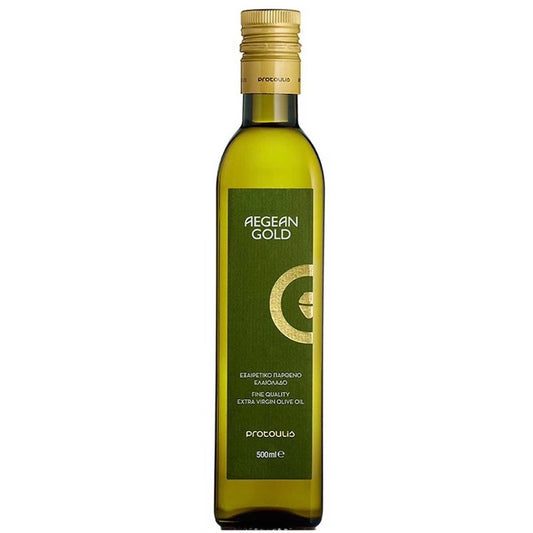
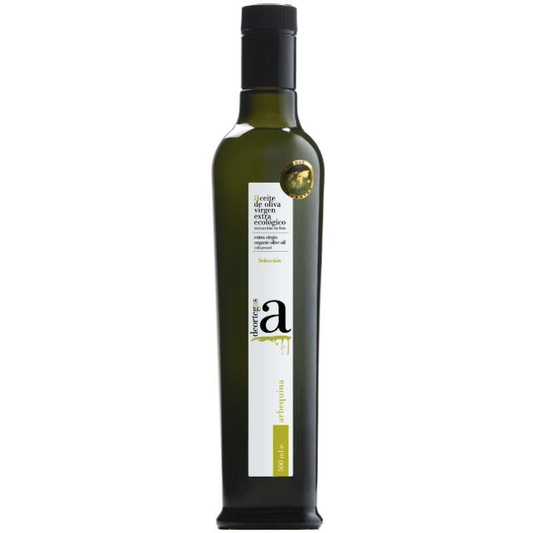
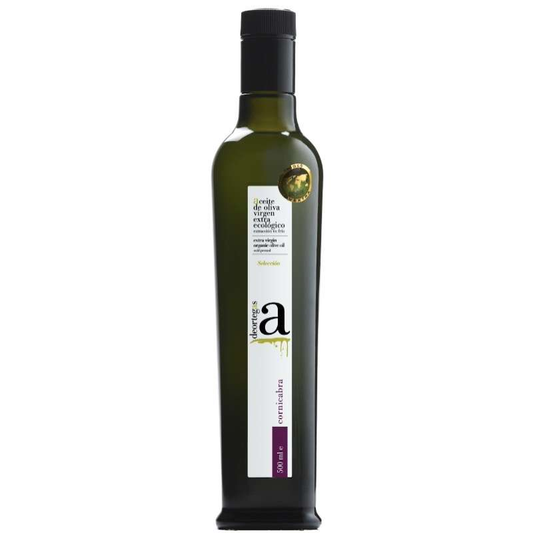
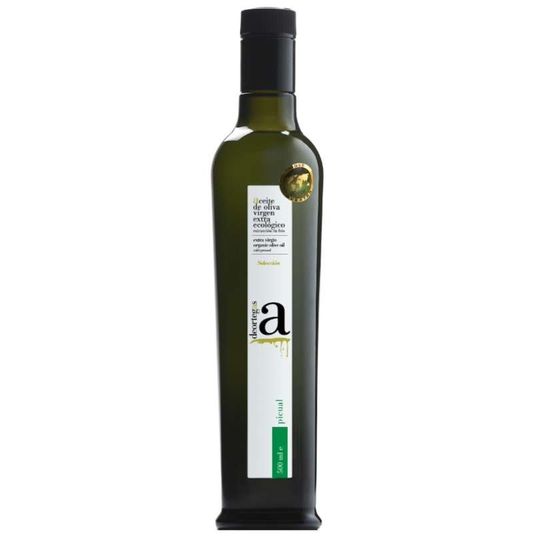
Forget the hype about “superfoods.” Olive oil isn’t magic; it’s just very good food science doing its job. Extra virgin olive oil — fresh farm olive juice, aromatic, rich in monounsaturated fats — replaces butter and seed oils not because it’s fashionable, but because it works. It tastes good, behaves well under heat, and makes food feel complete. In Mediterranean cooking it’s the quiet backbone of almost every meal, used the way some people use punctuation: generously and with confidence.
At the table, fruits and vegetables aren’t side characters or nutritional obligations. They are the point. Tomatoes and eggplants, greens and beans, peppers and citrus — produce that actually tastes like itself. Think zucchini roasted until sweet and soft, finished with lemon, or spinach sautéed with garlic until the smell alone improves your outlook on existence. These foods aren’t “added for nutrients.” They’re cooked because they’re good food, and the nutrients come along for the ride.
Grains show up not as empty fillers, but as steady, useful fuel. Farro, brown rice, quinoa, real bread are foods that digest slowly, keep energy stable, and don’t leave your brain slumped in the afternoon. Unlike ultra-processed grains, they give the body something to work with instead of something to recover from. They aren’t the enemy of health; they’re part of how humans figured out civilization in the first place.
Protein here has a passport. Fish leads the way, especially the oily, flavorful kind — sardines, salmon, mackerel — bringing omega-3s without needing a marketing campaign. Poultry, eggs, and legumes follow naturally, filling plates without dominating them. Red meat isn’t forbidden; it’s just no longer the main character. You don’t see nightly steak rituals on sunlit Mediterranean coastlines, and that’s not an accident.
Small things matter, too. Nuts and seeds slip into meals almost casually — a handful of almonds, some walnuts, a spoon of flax or chia — and quietly do a lot of work. Fiber, protein, and fats the body actually knows how to use add up over time. They’re pantry items that never ask for attention but always deliver.
Dairy appears with restraint and intention. Yogurt and cheese aren’t banished, just treated with respect. Greek yogurt brings tang and protein without the sugar theatrics of “diet” versions, and cheese shows up as an accent rather than a burden. Flavor comes alive through herbs and spices instead of excess salt or sugar — basil, oregano, rosemary, thyme, garlic, lemon. The food smells vibrant, tastes grounded, and manages to be satisfying without shouting about it.
Your Mediterranean Diet Shopping List
Let’s call this less a “shopping list” and more a “permission slip” — an invitation to buy real food that loves you back.
Vegetables: Tomatoes, cucumbers, peppers, zucchini, eggplant, spinach, kale, onions, garlic, lemons.
🥕 Stock up on a colorful mix you’ll actually want to eat daily: juicy tomatoes (fresh or cherry for snacking), crisp cucumbers, sweet or smoky peppers, tender zucchini, silky eggplant, leafy spinach and kale, plus the flavor base of onions and garlic. Don’t forget lemons — they brighten almost everything, from salads to grilled fish.
Grains & Bread: Whole wheat pasta, brown rice, quinoa, farro, couscous, whole-grain bread.
🍞 Choose whole, minimally processed staples that keep you full: whole wheat pasta for easy dinners, nutty brown rice, protein-rich quinoa, chewy farro, light couscous, and good-quality whole-grain bread for dipping, toasting, or building simple meals around.
Protein: Fish (salmon, tuna, sardines), chicken, eggs, legumes, tofu.
🐟 Focus on lighter, heart-healthy sources: fatty fish like salmon, tuna, and sardines for omega-3s; chicken for versatility; eggs for quick meals; legumes (lentils, chickpeas, beans) as everyday staples; and tofu as a flexible plant-based option that absorbs flavor beautifully.
Dairy & Alternatives: Greek yogurt, feta, mozzarella, almond milk.
🧀 Keep it simple and balanced: thick, tangy Greek yogurt for breakfast or sauces, crumbly feta for salads, fresh mozzarella for light meals, and almond milk (or similar) if you prefer a plant-based option.
Nuts & Seeds: Almonds, walnuts, flax, chia.
🥜 Think of these as small but powerful additions: almonds and walnuts for snacking or salads, flax and chia seeds for sprinkling into yogurt, oatmeal, or smoothies — adding texture, fiber, and healthy fats.
Oils & Condiments: Extra virgin olive oil, balsamic vinegar, hummus, tahini, olives, Dijon mustard, capers.
🫒 This is where Mediterranean flavor really lives: extra virgin olive oil as your main cooking fat, balsamic vinegar for depth, hummus and tahini for creamy richness, olives for a salty bite, Dijon mustard for dressings, and capers for little bursts of briny intensity.
Herbs & Spices: Basil, oregano, rosemary, thyme, parsley.
🌿 Fresh or dried, these make everything taste alive: basil, oregano, rosemary, thyme, and parsley — use generously to turn simple ingredients into something memorable.
Pantry Staples: Canned tomatoes, artichoke hearts, sun-dried tomatoes, anchovies, whole-grain mustard.
🥫 Keep a few essentials on hand for effortless meals: canned tomatoes for sauces, artichoke hearts for salads or pasta, sun-dried tomatoes for concentrated flavor, anchovies for depth (they melt into dishes), and whole-grain mustard for dressings and marinades.
Frozen & Beverages: Frozen berries, spinach, red wine (if you drink), herbal teas.
🍷 Smart backups and everyday comforts: frozen berries for quick breakfasts, frozen spinach for easy cooking, a bottle of red wine if you enjoy it (in moderation), and herbal teas for winding down.
The Mediterranean Diet Shopping List: What It Looks Like in Real Life
Breakfast might be a bowl of Greek yogurt layered with berries and a drizzle of honey. Lunch, a chickpea salad that’s more rainbow than recipe. Dinner, salmon roasted with lemon and dill, a side of quinoa, and a glass of red wine that you actually sit down to enjoy.
Snacks aren’t bars wrapped in foil — they’re almonds, fruit, a bit of cheese, maybe hummus with something that crunches.
The point isn’t to perform wellness. It’s to remember that food can be pleasure and nourishment at the same time.
Why Does It Work?
Because it’s not selling you anything. Because it doesn’t cut out entire food groups or pretend to unlock longevity secrets. Because it’s built on balance, flavor, and joy — the original health plan before there were health plans.
Eat like this, and you won’t need to count, track, or “detox.” You’ll just be eating in a way humans have eaten for millennia — slowly, together, and with gratitude.