Wine for Cooking
Share
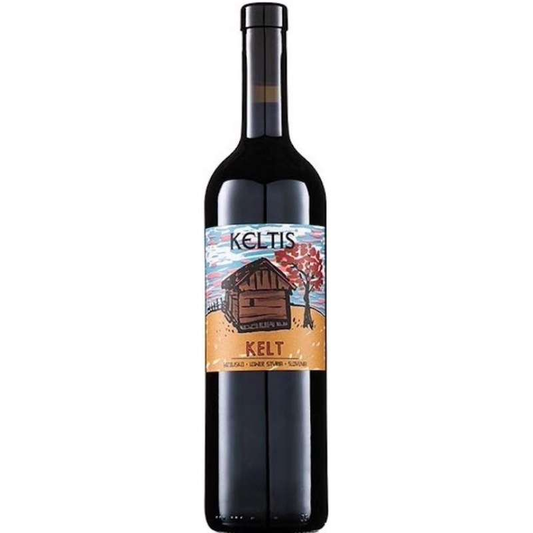
Wine for cooking — the most misunderstood character in the kitchen drama. Somewhere along the way, someone decided that “cooking wine” was a different species from the kind you actually enjoy drinking. And thus, bottles of salted, sour liquid began appearing in supermarkets, promising “culinary authenticity” while tasting like regret. Let’s make this clear: if it isn’t good enough to drink, it’s not good enough to cook with. Cooking doesn’t improve bad wine — it just concentrates its sins.
The reason wine belongs in food at all is not mystical; it’s chemical. The alcohol in wine acts like a courier, carrying aromas and flavors where water or fat alone cannot go. It deglazes pans, lifting those browned bits — the “fond” — that hold the ghost of everything delicious. It adds acidity, balancing richness. It brings fruit and structure, the same way a squeeze of lemon wakes up a dull sauce. Wine in cooking isn’t about drunken food — it’s about sharper flavor, brighter color, deeper aroma.
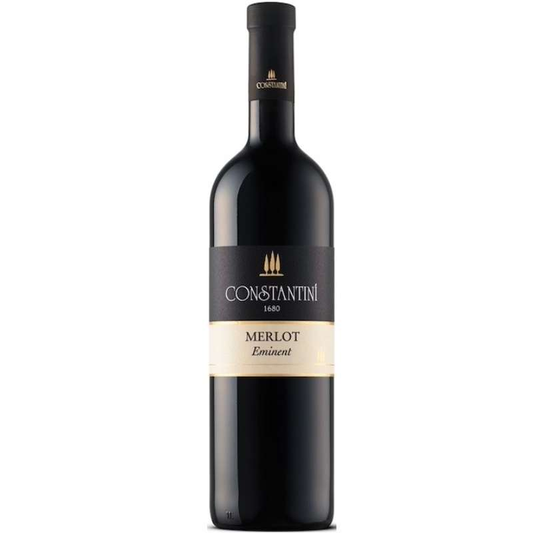
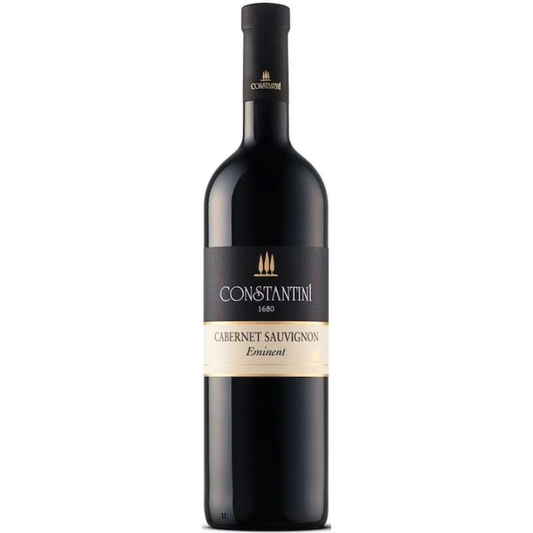
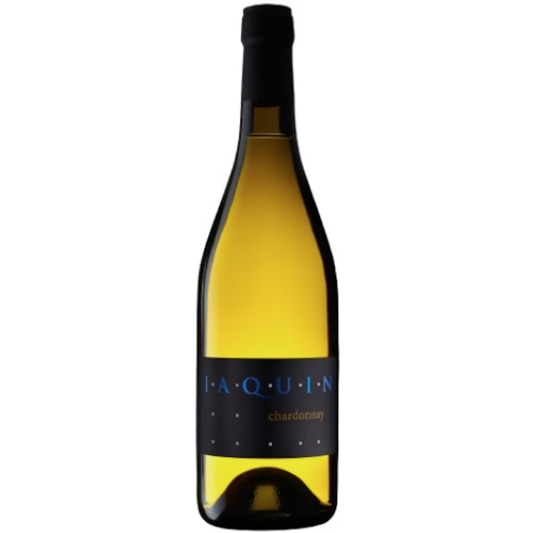
Now, what kind of wine should you use? The short answer: the same kind you’d drink with the dish. The longer answer: it depends on what you’re making and how you use it. Dry white wines — Sauvignon Blanc, Pinot Grigio, even a young Chardonnay — are perfect for lighter dishes: cream sauces, seafood, risotto, chicken. They bring crispness and lift. Reds like Merlot, Pinot Noir, or Cabernet Sauvignon love beef stews, tomato sauces, or anything that simmers long enough to let the tannins mellow and merge. Avoid wines that are too oaky, sweet, or expensive — the subtleties you pay for in a $70 bottle will evaporate faster than your patience.
As for the actual cooking, timing matters. When you add wine to a hot pan, give it time to boil and reduce before moving on. That cooks off most of the alcohol, leaving behind flavor. Think of it as the wine’s soul staying behind after the body’s gone. In stews or braises, it’s fine to pour the wine early and let it slow-cook with the dish — that’s how it binds, softens, and deepens everything else. But don’t splash it in right before serving and call it “deglazing.” That’s how you ruin dinner and your guests’ trust.
And please, never use “cooking wine” from a grocery store. That’s not wine; it’s industrial tragedy in a bottle. You’re better off skipping wine altogether than using that.
In the end, wine in cooking should behave the way it does at the table — as a quiet collaborator, never the star, but always the thing that makes the stars shine a little brighter. A good splash of the same bottle you’re drinking is usually the perfect measure. And if you happen to pour a little extra for yourself while the sauce reduces — well, that’s just responsible seasoning.