Red Wines by Boldness: From Whisper to Thunder
Share
Not all red wines are created equal. Some tiptoe into the room wearing silk slippers; others kick down the door and rearrange your evening. “Boldness” in wine isn’t just about alcohol or color - it’s about structure, tannin, acidity, and attitude. It’s the way the wine feels in your mouth and how long it insists on staying there. Think of it as the difference between chamber music and heavy metal—both can be brilliant, but you don’t mix them on the same playlist.
At the softer end of the spectrum live wines like Pinot Noir, Gamay, and Grenache. These are the poets of the red world - light-bodied, elegant, full of nuance. Pinot Noir smells like a walk in the forest after rain, with a handful of raspberries thrown in for good measure. Gamay (the grape behind Beaujolais) is pure mischief—fresh, bright, almost playful, the kind of wine that makes you forget you were supposed to be taking notes. Grenache adds a little spice to the mix, a flirtation with warmth, still gentle but less innocent.
Move a step up and you find the Merlots, Tempranillos, and Sangioveses - the middleweight philosophers. These wines are balanced, velvety, thoughtful. They know how to make a point without shouting. A good Merlot feels like worn leather and dark plums; Tempranillo, especially from Rioja, throws in tobacco and sun-baked earth; Sangiovese (the heart of Chianti) brings cherry, herbs, and that perfectly Italian mix of charm and cynicism.
And then come the big boys. Cabernet Sauvignon, Syrah/Shiraz, Malbec, Zinfandel, Petit Verdot - the wines that don’t so much speak as declare. They’re full-bodied, high in tannin, often rich in alcohol, and unapologetically loud. Cabernet is the general - disciplined, structured, all blackcurrant and cedar. Syrah is the artist with a temper, dark and smoky and prone to brilliance. Malbec has swagger, Zinfandel has mischief, and Petit Verdot has muscle. These are the wines that demand red meat, time, and respect.
Why they are who they are? Let’s peel it back and see why each wine behaves the way it does. Because “boldness” doesn’t just happen; it’s a product of grape biology, sunlight, soil, and human meddling.
It’s about chemistry, geography, and how much the grape had to fight to become itself. Thin-skinned grapes make light wines; thick-skinned ones make bruisers. Cool climates make sharper wines with more acidity; hot climates make riper wines with more alcohol and less restraint. Tannin - the stuff that dries your mouth like a chalkboard - is another culprit. The more tannin, the bolder the wine feels.
Let’s walk from the quietest to the loudest, and listen to how each finds its voice.
Pinot Noir — The whispering intellectual of the wine world. Thin-skinned, low in tannin, and temperamental as a cat in a thunderstorm. It likes cool climates - Burgundy, Oregon, New Zealand—where it can ripen slowly and preserve acidity. Pinot’s light body comes from its delicate skins, but inside that fragility is complexity: red cherries, violets, forest floor, sometimes a ghost of smoke. It’s not bold because it doesn’t need to be. Pinot wins you over with understatement, not muscle.
Gamay — Pinot’s younger, more carefree cousin. It ripens earlier and thrives in Beaujolais, where granite soils give it brightness and energy. Its tannins are so soft they’re practically house-trained. Gamay’s charm comes from carbonic maceration - a fermentation method that keeps it fruity and fresh, with flavors of strawberries, bubblegum, and wild herbs. It’s a wine that laughs easily and asks for no commitment.
Grenache (or Garnacha, if you crawled across the Pyrenees from north to south) — The warm-hearted storyteller. Thin-skinned but sun-loving, Grenache ripens best in hot, dry places like Spain, Southern France, or Australia. It’s naturally high in alcohol and low in tannin, which gives it that lush, ripe fruitiness - think raspberry jam with a sprinkle of spice. It’s the backbone of Châteauneuf-du-Pape and the wild soul of Spanish Garnacha. Grenache is generous, a little wild, sometimes sloppy, but always good company.
Sangiovese — The Italian realist. Medium-bodied, high in acid, tannic enough to keep you paying attention. It’s the grape of Chianti, Brunello, and most of Tuscany, thriving in sun and stone. Sangiovese tastes like sour cherries, tomato leaf, and dusty roads. It’s earthy, honest, occasionally stubborn. If it were a person, it would lecture you over dinner and then pick up the check.
Tempranillo — The Spaniard with an old soul. Grown in Rioja and Ribera del Duero, it can be medium or full-bodied depending on the region. Thick skins give it moderate tannins and deep color. Tempranillo loves oak - Spanish winemakers practically raise it in barrels - so it takes on flavors of vanilla, tobacco, and leather. When it’s young, it’s all bright fruit and charm; with age, it turns serious and smells like old libraries.
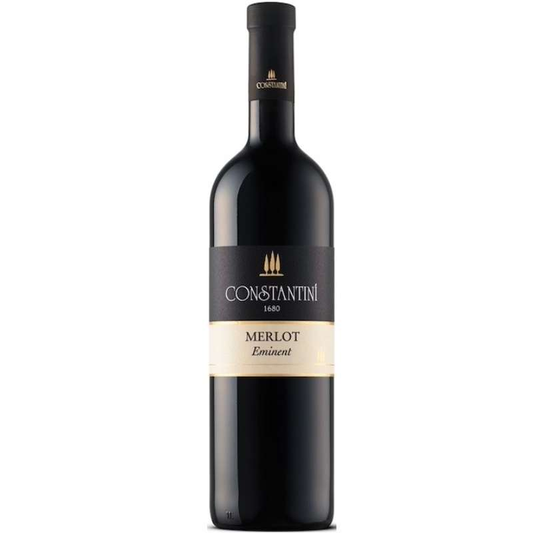
Merlot — The diplomat. Softer than Cabernet, but still substantial. It ripens earlier and produces round, plummy wines with low acidity and supple tannins. Merlot is forgiving, adaptable - it grows in Bordeaux, California, Chile, Italy, you name it. In blends, it smooths the rough edges; on its own, it’s like velvet in a glass. Critics mock it for being “safe,” but good Merlot has grace and depth that loud wines can’t touch.
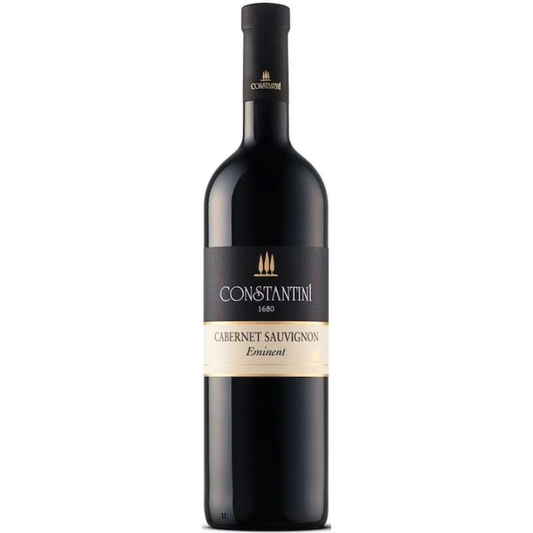
Cabernet Sauvignon — The general. Thick-skinned, slow-ripening, high in tannin, and naturally structured. It thrives in warmth but keeps its dignity even in cooler climates. Cabernet tastes of blackcurrant, graphite, cedar, and authority. It’s built to age - oak barrels only make it stronger. This is the backbone of Bordeaux, the pride of Napa, the kind of wine that never doubts itself.
Syrah / Shiraz — The storm. Same grape, different accents: Syrah in France, Shiraz in Australia. It’s bold, brooding, and full of dark fruit, pepper, smoke, and meat. Cool-climate Syrah from the Rhône Valley is elegant and spicy; warm-climate Shiraz is rich, jammy, and unashamedly hedonistic. This is the wine that kicks the door down and asks what’s for dinner.
Malbec — The exile who found glory abroad. Born in France, perfected in Argentina, where high-altitude sunlight and poor soils give it power and perfume. Malbec is thick-skinned and generous, full of black plum, cocoa, and a whisper of smoke. It’s bold without arrogance - friendly muscle, not menace.
Zinfandel — The Californian trickster. High in sugar, high in alcohol, unpredictable as a party guest. Depending on how it’s made, it can be juicy and playful or dark and spicy. Expect blackberries, pepper, and sometimes enough heat to start a campfire. Zinfandel doesn’t care what the rules are - it’s there to have fun.
Petit Verdot — The unsung hero. Usually a supporting role in Bordeaux blends, where it adds color, tannin, and structure. On its own, it’s massive - inky, floral, almost gothic. Too much of it and you’ve built a fortress instead of a wine. But a touch of Petit Verdot can turn good wine into something that stands straighter.
So when we talk about boldness in red wine, we’re really talking about personality. Climate gives the accent, tannin gives the texture, and the winemaker decides how loud the voice gets. Boldness in wine isn’t a hierarchy; it’s a mood. The light ones don’t need defending, and the strong ones don’t need excuses. Sometimes you want a whisper, sometimes you need thunder. The trick is to know which mood you’re in - and to pour accordingly. Because wine, like people, reveals its truth not in how loud it is, but in how it carries its voice.