How to Decode a Wine Label
Share
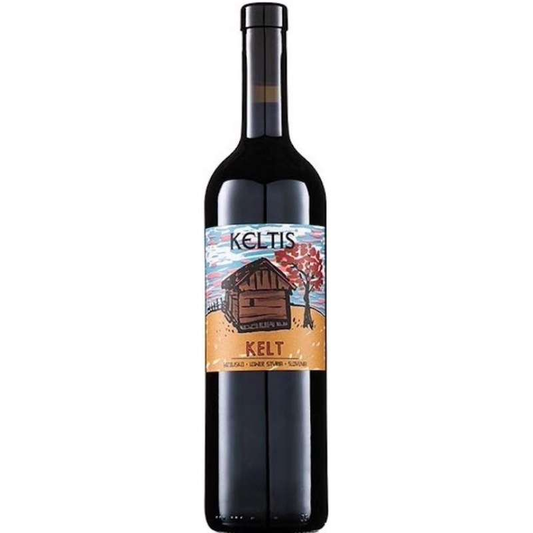
If you ever want to test the limits of human patience, hand a beginner a bottle of wine and ask them to “just read the label.” What looks at first like an innocent rectangle of paper glued to glass is, in fact, a coded telegram from a foreign power, full of dates, names, cryptic numbers, and strange boasts. A wine label is less a label than a riddle wrapped in marketing wrapped in history. Decoding it requires equal parts linguistics, cynicism, and the willingness to laugh when you discover that what you thought was profound is just French for “we bottled this near a hill.”
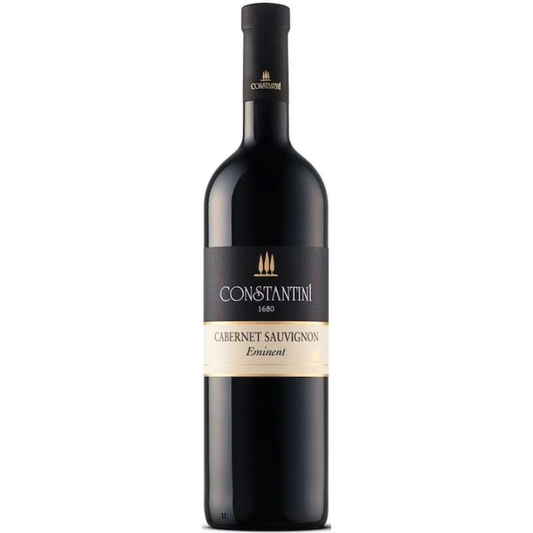
The first trap is geography. Europeans, who invented most of the snobbery in this world, insist on telling you where a wine is from rather than what it’s made of. Thus “Bordeaux” is not a grape but a place; “Chablis” is not a style but a village; and “Chianti” is not a synonym for “cheap Italian red in a straw basket” (though the world insists otherwise). Americans, being more literal and less secretive, slap the grape name right on the front: Cabernet Sauvignon, Chardonnay, Zinfandel. The problem is that Europe assumes you know the grapes by heart, like family members, while America assumes you have the attention span of a housecat. Both assumptions are insulting in their own way.
Next comes the vintage, that noble little year printed on the label. It tells you when the grapes were harvested, which is roughly equivalent to saying “this novel was written in 1998.” You may or may not care, but wine professionals will sniff and nod as though 2015 was a particularly good year for cosmic balance. Some regions worship vintages; others, blessed with steady climates, don’t bother. What matters is that old doesn’t always mean good, despite what your uncle insists while dusting off a bottle he found in his basement next to a box of expired cornflakes.
Then we meet the alcohol percentage. This is usually tucked into a corner like a teenager sulking at the family reunion. It ranges from the modest 11% of a delicate German Riesling to the 15% bravado of an Australian Shiraz. Higher alcohol means riper grapes, warmer climates, and usually louder flavors. It also means your second glass may feel like your third. Few drinkers pay attention to this number until they suddenly notice they’ve become very philosophical halfway through dinner.
Labels also whisper about classification systems, those bureaucratic tattoos invented by governments to prove their wines are respectable. The French have AOC, the Italians DOCG, the Spaniards DO, the Germans their elaborate Kabinett-Spätlese-Auslese hierarchy that sounds like an inventory of opera roles. These acronyms are supposed to guarantee authenticity, though in practice they mostly guarantee confusion. The important thing to know is that if the letters look official and complicated, the wine is probably fine, though not necessarily delicious.
And then there are the boasts. “Estate bottled.” “Old vines.” “Reserve.” “Grand.” “Special Selection.” These words are sometimes meaningful and sometimes the vinous equivalent of shouting “NEW AND IMPROVED!” on a box of soap powder. “Old vines” might mean 80 years or 8. “Reserve” might mean the winemaker truly held back the best barrels, or it might mean nothing at all, depending on the country. The only way to know is to taste, which is the cruel but inevitable truth of wine: the label hints, but the liquid tells the story.
What, then, is the reader of a wine label to do? First, approach it with curiosity, not reverence. Second, know that half of what you’re reading is tradition, the other half marketing, and somewhere between them lurks reality. Third, forgive yourself for not memorizing the sixty-three subregions of Burgundy or the exact sugar levels that distinguish Spätlese from Auslese. Even professionals argue about this while pretending not to.
In the end, decoding a wine label is not about deciphering every detail but about getting close enough to guess the personality of what’s inside. You’ll learn over time. You’ll taste, make notes, drink something wonderful by accident, drink something dreadful on purpose, and gradually the labels will start to make sense—or at least become less intimidating.
A wine label is, after all, not a textbook but an invitation. It says: here is a story in a bottle. The paper outside is only the preface. The real meaning is poured into the glass, and that, mercifully, requires no translation.